

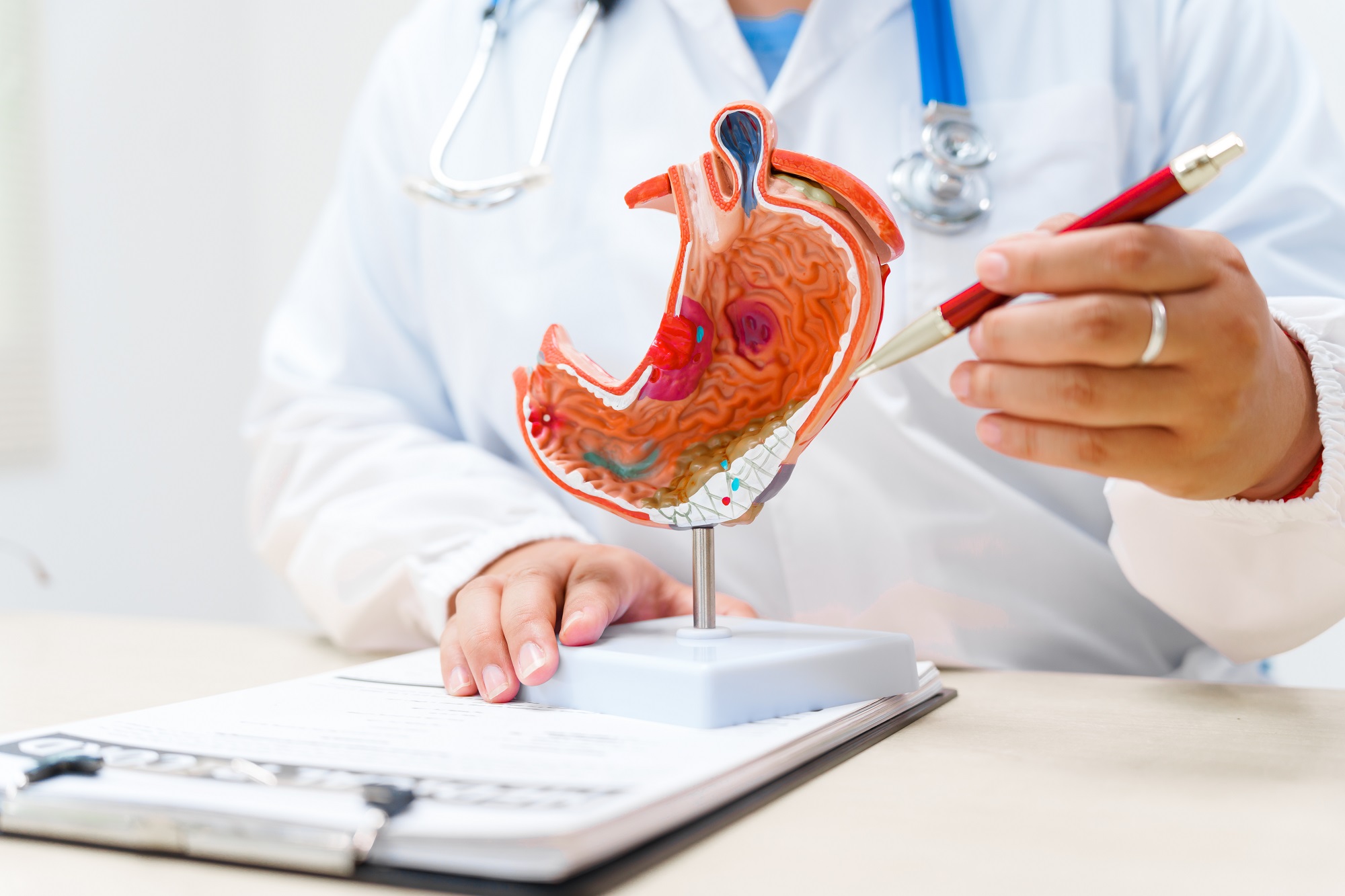
In Australia, gastro-oesophageal reflux disease (GERD), also known as GORD, is one of the most common gastrointestinal conditions. According to the Royal Australian College of General Practitioners (RACGP), an estimated 11.6 per cent of general practice patients in Australia are diagnosed with reflux. In comparison, broader community data puts prevalence at around 7.5 per cent.
In a national, community-based study, 10.4 per cent of Australian adults reported experiencing reflux symptoms at least weekly, while an additional 38.3 per cent reported occasional symptoms. These figures suggest that reflux is not only widespread but also underdiagnosed. For people in Brisbane and its surrounding suburbs, it means that thousands are likely living with reflux symptoms such as heartburn, regurgitation, chronic throat irritation or coughing—often without a precise diagnosis.
Reflux also contributes significantly to healthcare system costs in Australia. Anti-reflux medications are among the most commonly prescribed drugs, and claims for gastrointestinal investigations continue to rise under Medicare. According to the Australian Institute of Health and Welfare, this high demand reflects both the burden of the disease and the importance of early, targeted care.
At the gastroenterologist Brisbane, our team is dedicated to diagnosing and managing reflux using evidence-based tools and personalised care plans. If you’ve been living with persistent symptoms, here’s how seeing a specialist can help you get answers—and relief.
Why Specialist-Led Diagnosis Matters
Reflux symptoms are not always straightforward. They can overlap with many other conditions, including:
- Functional dyspepsia.
- Throat infections or chronic sinusitis.
- Voice box irritation (laryngopharyngeal reflux).
- Swallowing disorders.
- Even cardiac-related symptoms.
That’s why a specialist assessment is essential—especially when symptoms persist or return despite initial treatment.
Risks of Delayed or Self-Diagnosed Reflux
- Prolonged use of over-the-counter treatments may mask more serious conditions.
- Persistent acid exposure can lead to inflammation, strictures, or precancerous changes like Barrett’s oesophagus.
- Misdiagnosis may delay appropriate care and increase symptom burden.
A gastroenterologist in Brisbane offers clarity by using modern diagnostic techniques to identify the underlying cause of your symptoms. From there, they can tailor a treatment approach that goes beyond generalised recommendations.
Key Tests to Diagnose GERD or Reflux
Accurate diagnosis is the foundation of effective reflux treatment. At the Reflux & Swallowing Center, we offer a comprehensive suite of tests to pinpoint exactly what is happening within your upper digestive tract.
Gastroscopy (Upper Endoscopy)
A gastroscopy is a minimally invasive procedure that uses a thin, flexible camera to examine the lining of the oesophagus, stomach, and upper small intestine. It is typically performed under light sedation.
This procedure can detect:
- Inflammation or erosions in the oesophagus
- Barrett’s oesophagus
- Ulcers, narrowing, or structural changes
- Hiatal hernias
Learn more about gastroscopy Brisbane and how it helps in reflux diagnosis.
Bravo pH Monitoring
Bravo pH monitoring uses a small capsule temporarily placed in the oesophagus to record acid levels over 48 hours. The device sends real-time data to an externally worn receiver, allowing you to continue your normal activities.
The Bravo ph test Brisbane provides:
- Objective measurements of acid exposure.
- Improved comfort with no nasal catheter.
- Symptom correlation during meals, sleep, and daily activity.
Explore how the Bravo test can help diagnose persistent reflux when other tests appear normal.
24-Hour Catheter pH Monitoring
This test uses a thin nasal catheter to measure acid exposure in the oesophagus over a whole day. It is beneficial for identifying:
- Reflux patterns during sleep.
- Response to lifestyle or medical interventions.
- Non-acid reflux episodes.
Learn more about the 24-hour pH monitoring test and how it supports evidence-based reflux care.
Oesophageal Manometry
This test evaluates the strength and coordination of the oesophageal muscles and valves. It’s beneficial if you have symptoms like difficulty swallowing or if you are undergoing reflux testing preparation.
Discover oesophageal manometry in Brisbane to see how muscle movement might be contributing to reflux-like symptoms.
What a Specialist Looks For
Reflux is not always caused by excessive stomach acid. Your specialist uses the results of the above tests to assess:
- Frequency and duration of acid reflux events.
- Inflammation or damage to the oesophagus lining.
- Muscle coordination during swallowing.
- Valve function between the stomach and oesophagus.
- Presence of a hiatal hernia or other structural abnormality.
This level of insight enables a personalised plan that targets the cause, not just the symptoms.
Treatment Pathways After Diagnosis
Following diagnosis, your reflux specialist will recommend a treatment strategy tailored to your condition. At the Reflux & Swallowing Center, we focus on non-surgical, clinically supported approaches.
1. Lifestyle and Diet Modifications
Many patients see improvements with changes to their daily habits. These may include:
- Avoiding acidic, spicy, or fatty foods.
- Eating smaller, more frequent meals.
- Staying upright after meals.
- Raising the head of the bed during sleep.
- Managing body weight if appropriate.
- Reducing alcohol and caffeine consumption.
Tailored advice from a specialist helps ensure that lifestyle changes are targeted to your specific symptoms.
2. Clinical Care Under Medical Supervision
When appropriate, your specialist may recommend medical therapies designed to reduce acid exposure or protect the oesophageal lining. These decisions are made on a case-by-case basis following proper diagnostic review.
For background information on reflux causes and management, Healthdirect Australia offers a helpful overview of symptoms and treatment pathways.
3. Follow-Up and Monitoring
Ongoing monitoring is essential to managing reflux over time. Follow-up care may involve:
- Regular symptom check-ins.
- Adjustments to your care plan.
- Repeat testing, if needed.
- Referral to allied health professionals.
4. Multidisciplinary Support
Some cases of reflux may require collaboration between specialties. Depending on your needs, your specialist may refer you to:
- ENT specialists for throat-related reflux issues.
- Dietitians for tailored nutrition advice.
- Speech pathologists for swallowing difficulties.
- Gastroenterologists for co-existing digestive concerns.
We also offer video capsule endoscopy Brisbane for further evaluation of the gastrointestinal tract when needed.
What to Expect During Your Consultation
Your first appointment includes a thorough discussion of your:
- Medical history and current symptoms.
- Previous treatments or tests.
- Lifestyle and dietary habits.
Based on this, your specialist will recommend appropriate diagnostic tests and explain what each one involves.
After testing, your follow-up appointment will include:
- A clear explanation of your results.
- A personalised reflux management plan.
- Referrals or further testing if needed.
- Ongoing support tailored to your recovery.
This process is built to provide clarity, control, and long-term management—not guesswork.
The Benefits of Specialist Reflux Care in Brisbane
Seeing a dedicated reflux specialist offers several advantages:
- Faster diagnosis using advanced technology.
- A treatment plan tailored to your symptoms and physiology.
- Reduced risk of complications from untreated reflux.
- Ongoing care that evolves with your condition.
- Local access to testing in Brisbane and surrounding areas, including Caboolture, North Lakes, Kippa-Ring, Morayfield, and Everton Park.
To take the first step toward personalised reflux care, contact our Brisbane clinic to request a consultation.
Frequently Asked Questions
What tests are used to diagnose reflux?
Standard diagnostic tests in Brisbane include gastroscopy, pH monitoring, and oesophageal manometry. Your specialist will choose the right combination based on your symptoms.
Can reflux be managed long-term?
Yes. Many patients experience lasting relief through a combination of lifestyle changes, targeted care, and regular monitoring.
Is reflux testing uncomfortable?
Most tests are well tolerated. Gastroscopy is performed under sedation, while pH monitoring and manometry may cause mild, temporary discomfort.
Do I need a referral?
A referral is not always necessary. Patients can often book directly. However, a referral may assist with Medicare rebates. Our team can help you determine what’s best.
What if I have already tried reflux medication?
Specialist testing can help determine whether reflux is still the cause of your symptoms or whether another condition is involved.