

Call Us
Call Us

Call Us
Gastro-oesophageal reflux disease (GORD) happens when stomach acid and contents flow back up into the oesophagus often enough to cause symptoms or damage. Common symptoms are heartburn, a sour taste, regurgitation, chest discomfort, cough or a hoarse voice. Occasional reflux is normal; frequent or troublesome reflux is GORD.
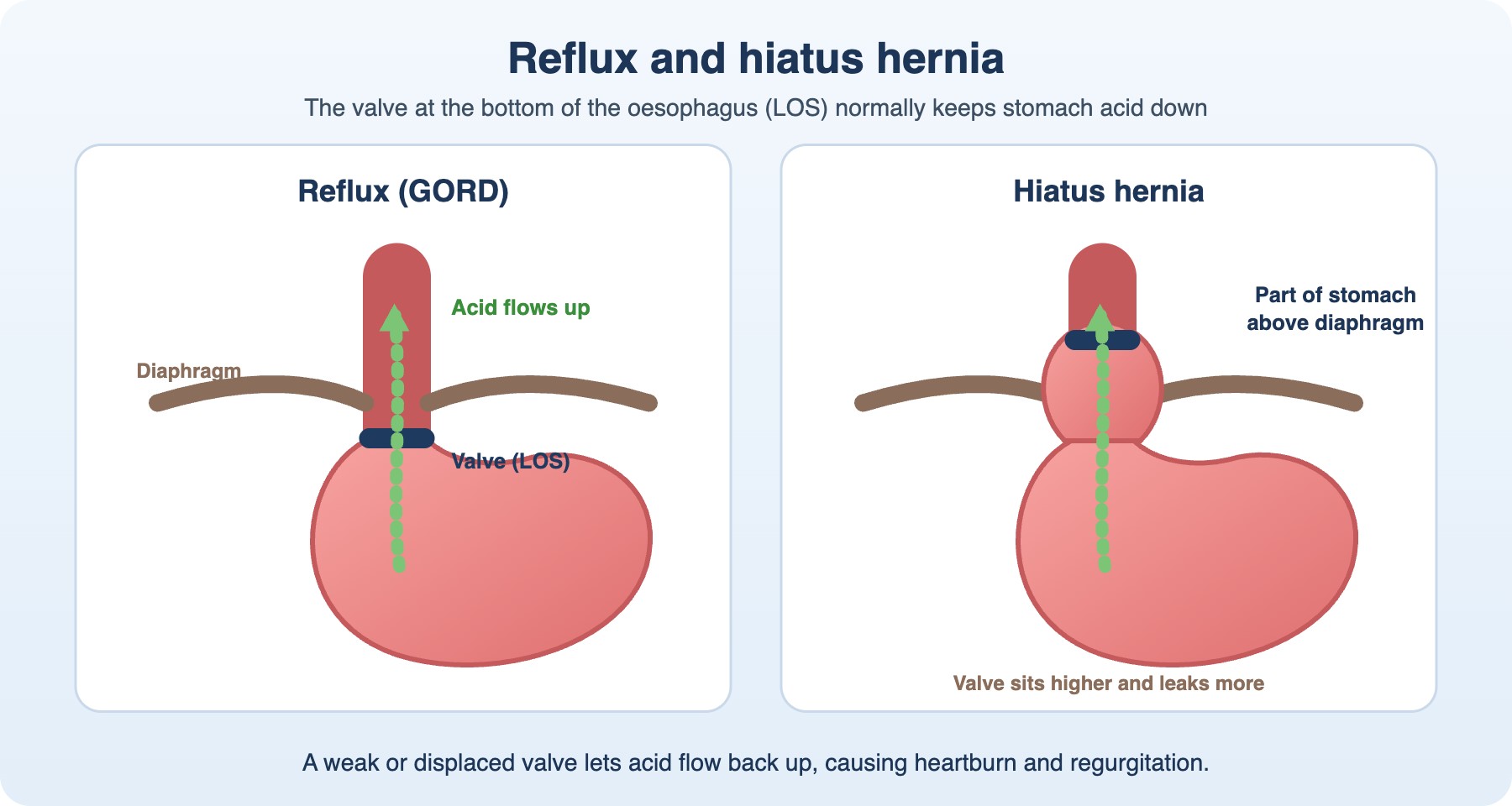
See your GP or a gastroenterologist if reflux happens more than twice a week, does not settle with treatment, or comes back when you stop medicines. Seek prompt review for warning signs: difficulty or pain swallowing, vomiting, black stools, unexplained weight loss, iron deficiency, or new reflux after the age of 50.
Helpful steps include losing excess weight, avoiding large or late meals (finish eating 3 hours before bed), raising the head of the bed, cutting back on alcohol and smoking, and reducing foods that trigger your symptoms, such as fatty or spicy meals, chocolate, coffee or fizzy drinks.
Proton pump inhibitors (PPIs) such as esomeprazole or pantoprazole are effective and generally safe when there is a clear reason to take them. Your doctor should review the lowest effective dose regularly. Do not stop suddenly after long-term use, as symptoms can rebound; reduce gradually with medical advice.
A gastroscopy checks for inflammation, Barrett’s oesophagus or a hiatus hernia. If symptoms continue or surgery is being considered, 24-hour pH impedance monitoring or Bravo wireless pH testing measures reflux directly, and oesophageal manometry checks how the oesophagus works.
Yes. This is sometimes called silent reflux or laryngopharyngeal reflux. It can cause a chronic cough, hoarse voice, frequent throat clearing, a lump-in-the-throat feeling or worsening asthma, often without classic heartburn.
Lying flat makes it easier for stomach contents to flow back into the oesophagus, especially after a large or late meal. Finishing dinner at least 3 hours before bed, raising the head of the bed by 15 to 20 cm and sleeping on your left side can help.
Stress does not usually cause reflux, but it can make the oesophagus more sensitive so symptoms feel stronger. Managing stress, regular sleep and exercise can reduce how much reflux bothers you.
Anti-reflux surgery (fundoplication) or endoscopic procedures may suit people with confirmed reflux who do not respond to or do not want long-term medicines. Testing with gastroscopy, pH monitoring and manometry is needed first to make sure surgery is the right choice.
It depends on the question being answered. If reflux has not yet been proven, PPIs are stopped for 7 days before pH or Bravo testing so the true amount of acid reflux can be measured. If reflux is already proven and symptoms continue despite treatment, testing may be done while still taking PPIs. Your specialist will advise which applies to you.
Guideline: Lyon Consensus 2.0 for GORD testing (2024).
Barrett’s oesophagus is a change in the lining of the lower oesophagus caused by long-standing reflux. The normal lining is replaced by tissue similar to the lining of the bowel. It is diagnosed with a gastroscopy and biopsies.
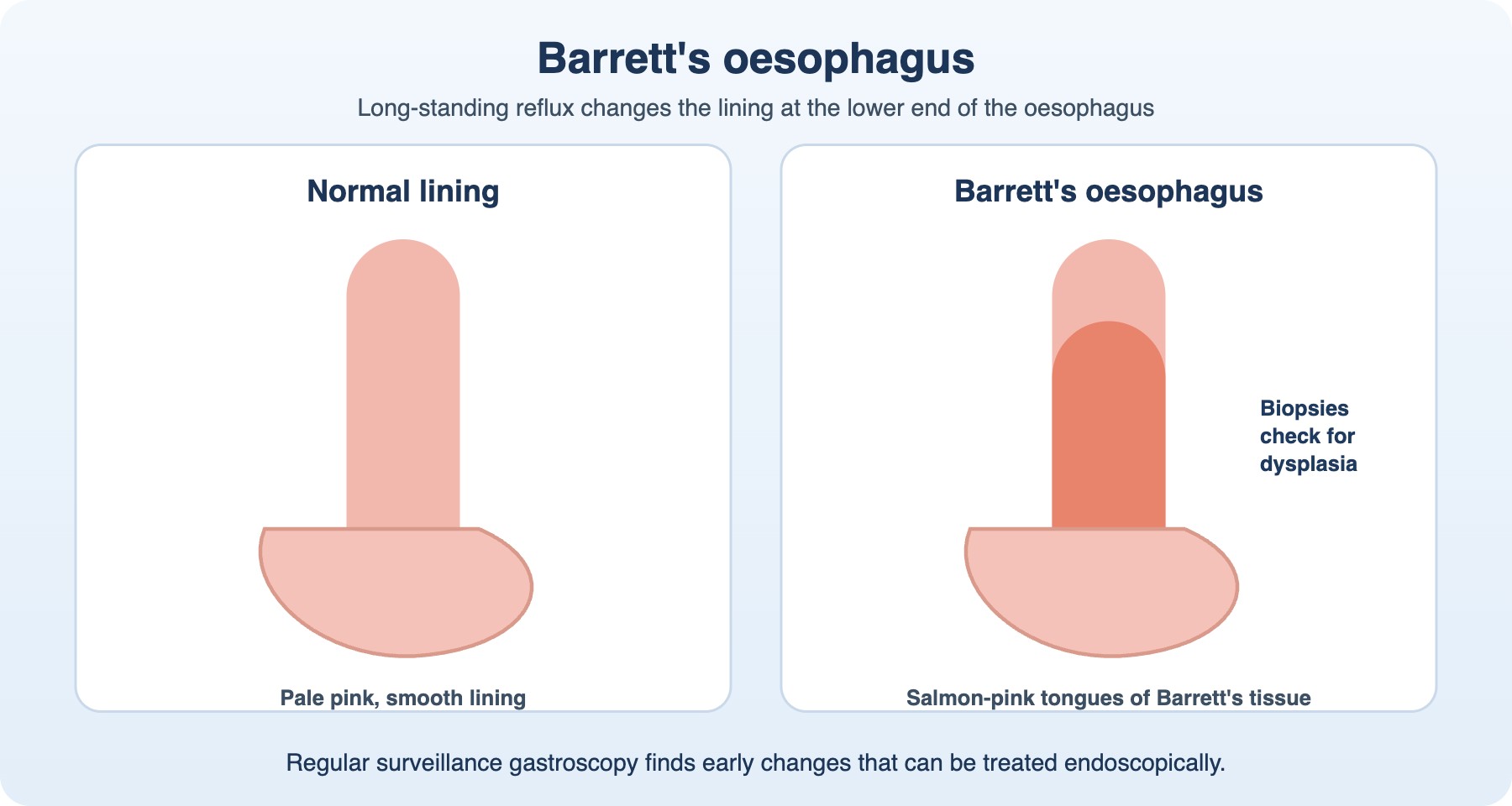
No. Most people with Barrett’s oesophagus never develop cancer. For Barrett’s without dysplasia the risk of progressing to cancer is low (well under 1% per year), which is why regular monitoring rather than surgery is recommended.
Guideline: Cancer Council Australia Barrett’s Oesophagus Guidelines.
Treatment includes controlling reflux, usually with a PPI. For Barrett’s without dysplasia, Australian guidance recommends a surveillance gastroscopy with biopsies about every 3 years for short segments (under 3 cm) and every 2 to 3 years for longer segments. If pre-cancerous changes (dysplasia) are found, they can usually be treated endoscopically, and surveillance becomes more frequent.
Guideline: Cancer Council Australia Barrett’s Oesophagus Guidelines, as adopted by Safer Care Victoria.
Common causes include narrowing from reflux, eosinophilic oesophagitis, a ring or web, motility disorders such as achalasia, and less commonly a tumour. Problems starting a swallow, with coughing or choking, can also come from the throat or nerves.
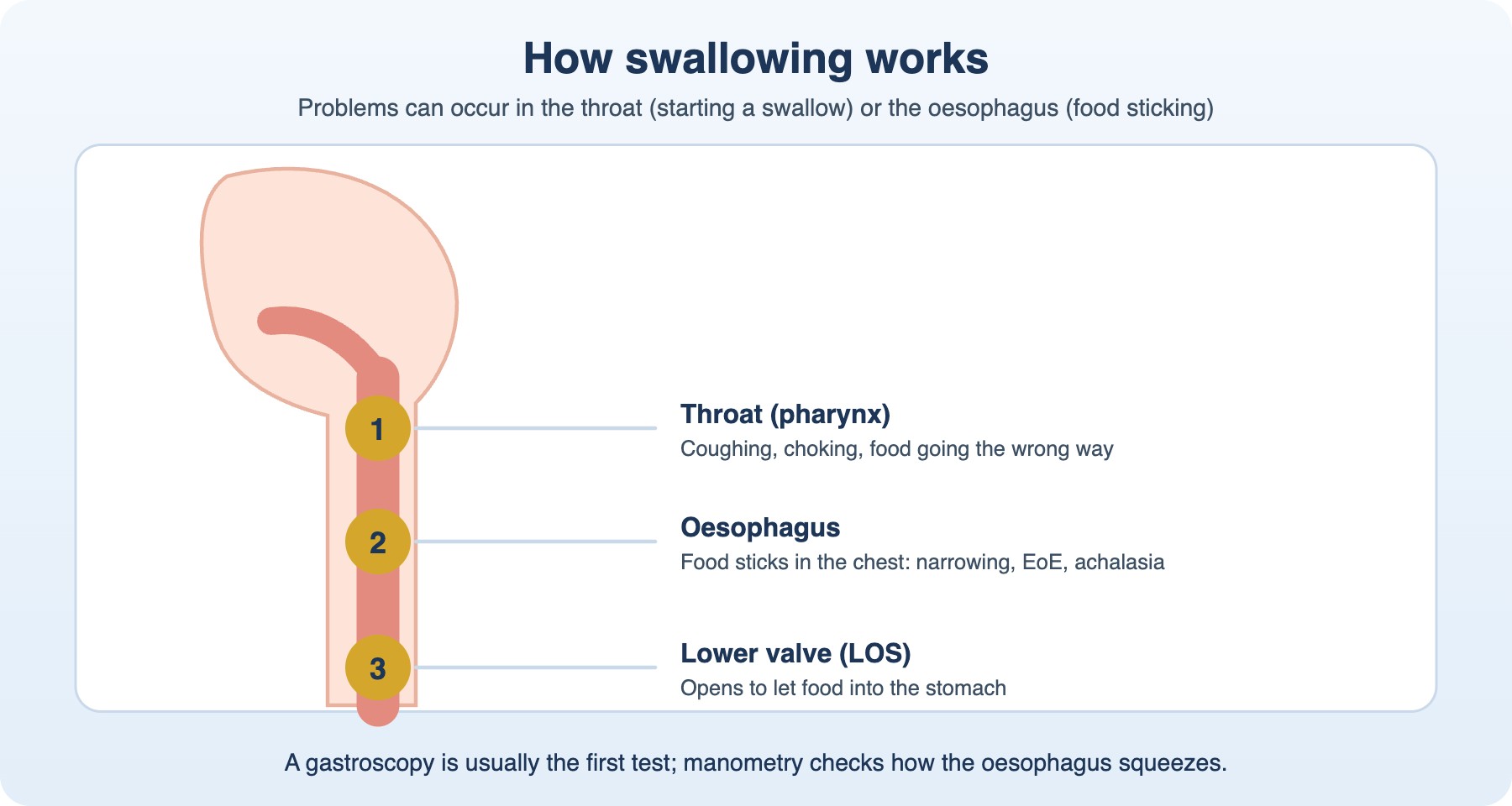
Swallowing difficulty should always be checked, especially if it is getting worse, involves solid food sticking, or comes with weight loss, vomiting or bleeding. Seek urgent care if food is completely stuck and you cannot swallow your saliva.
A gastroscopy is usually the first test, as it can find and often treat a narrowing at the same time. If the gastroscopy is normal, high-resolution oesophageal manometry assesses how the muscles of the oesophagus work. A barium swallow X-ray is sometimes used.
EoE is a long-term allergic-type inflammation of the oesophagus, where a type of white blood cell (eosinophil) builds up in the lining. It is becoming more common and often occurs in people with asthma, eczema, hay fever or food allergies.
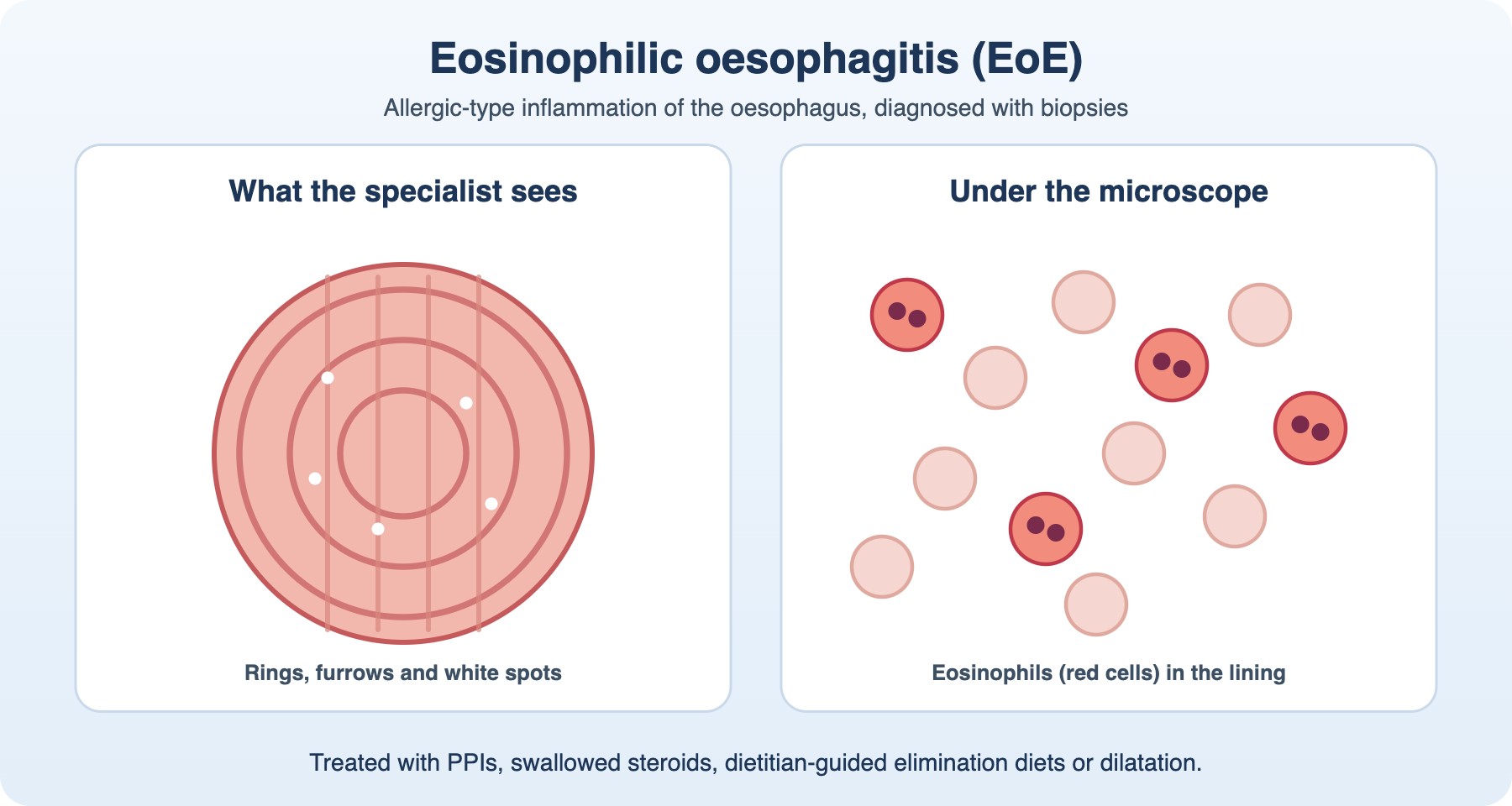
In adults the most common symptoms are difficulty swallowing and food getting stuck (food bolus impaction). Some people have heartburn or chest pain. Many people eat slowly, chew carefully or drink a lot with meals without realising they are compensating.
EoE is diagnosed with several biopsies taken at gastroscopy. Treatment options include PPIs, swallowed steroid medicines (such as budesonide), elimination diets guided by a dietitian, and stretching (dilatation) of any narrowing. Biologic medicines are an option for some people who do not respond. A repeat gastroscopy with biopsies is usually done to check treatment has worked.
Guideline: AGA-JTF Guidelines for the Management of Eosinophilic Oesophagitis (2020).
EoE is an allergic-type condition, but it is different from a typical food allergy that causes hives or anaphylaxis. Standard skin prick or blood allergy tests do not reliably identify EoE triggers. The most common food triggers are milk, wheat, egg and soy.
EoE is a long-term condition that usually returns if treatment is stopped. With ongoing treatment most people have few or no symptoms, and it does not increase the risk of oesophageal cancer.
If food is stuck and you cannot swallow your saliva, go to an emergency department, as the food may need to be removed with an urgent endoscopy. Do not try to force it down with more food. Even if it passes on its own, see your doctor, as this is a common sign of EoE.
Reflux and EoE can cause similar symptoms and can occur together. Biopsies at gastroscopy help tell them apart. Some people with EoE improve on PPIs, which is why they are often the first treatment tried.
Achalasia is an uncommon condition where the valve at the bottom of the oesophagus does not relax properly and the oesophagus does not squeeze normally. Food and liquid can build up in the oesophagus.
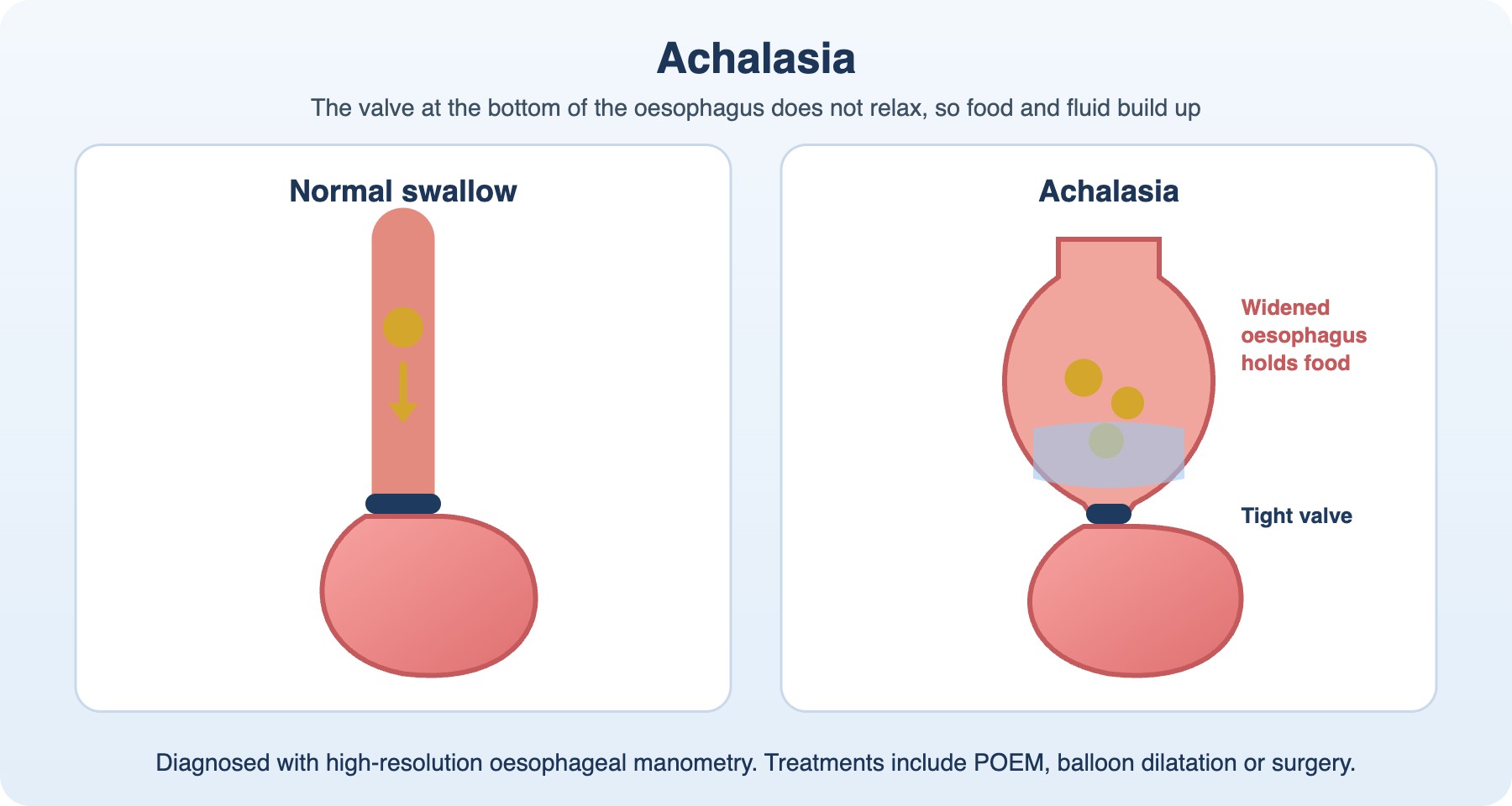
Symptoms include difficulty swallowing both solids and liquids, regurgitation of undigested food, chest pain, coughing at night and weight loss. It is sometimes mistaken for reflux.
High-resolution oesophageal manometry is the key test, together with a gastroscopy and sometimes a timed barium swallow. Treatments include balloon dilatation, keyhole surgery (Heller myotomy) or an endoscopic procedure called POEM, which have similar success in experienced hands. Botulinum toxin injection gives shorter-term relief for people not suited to other options. The best choice depends on the type of achalasia and your overall health.
Guideline: ACG Clinical Guideline: Achalasia (2020); Chicago Classification v4.0.
A hiatus hernia occurs when part of the stomach pushes up through the diaphragm into the chest. Small hiatus hernias are common and often cause no symptoms, but they can make reflux worse.
Most do not. Symptoms are usually managed with lifestyle changes and reflux medicines. Surgery may be considered for large hernias, persistent reflux despite treatment, or complications, after appropriate testing.
Helicobacter pylori (H. pylori) is a common bacterium that lives in the stomach lining. Many people have no symptoms, but it can cause gastritis, stomach and duodenal ulcers, and slightly increases the risk of stomach cancer.
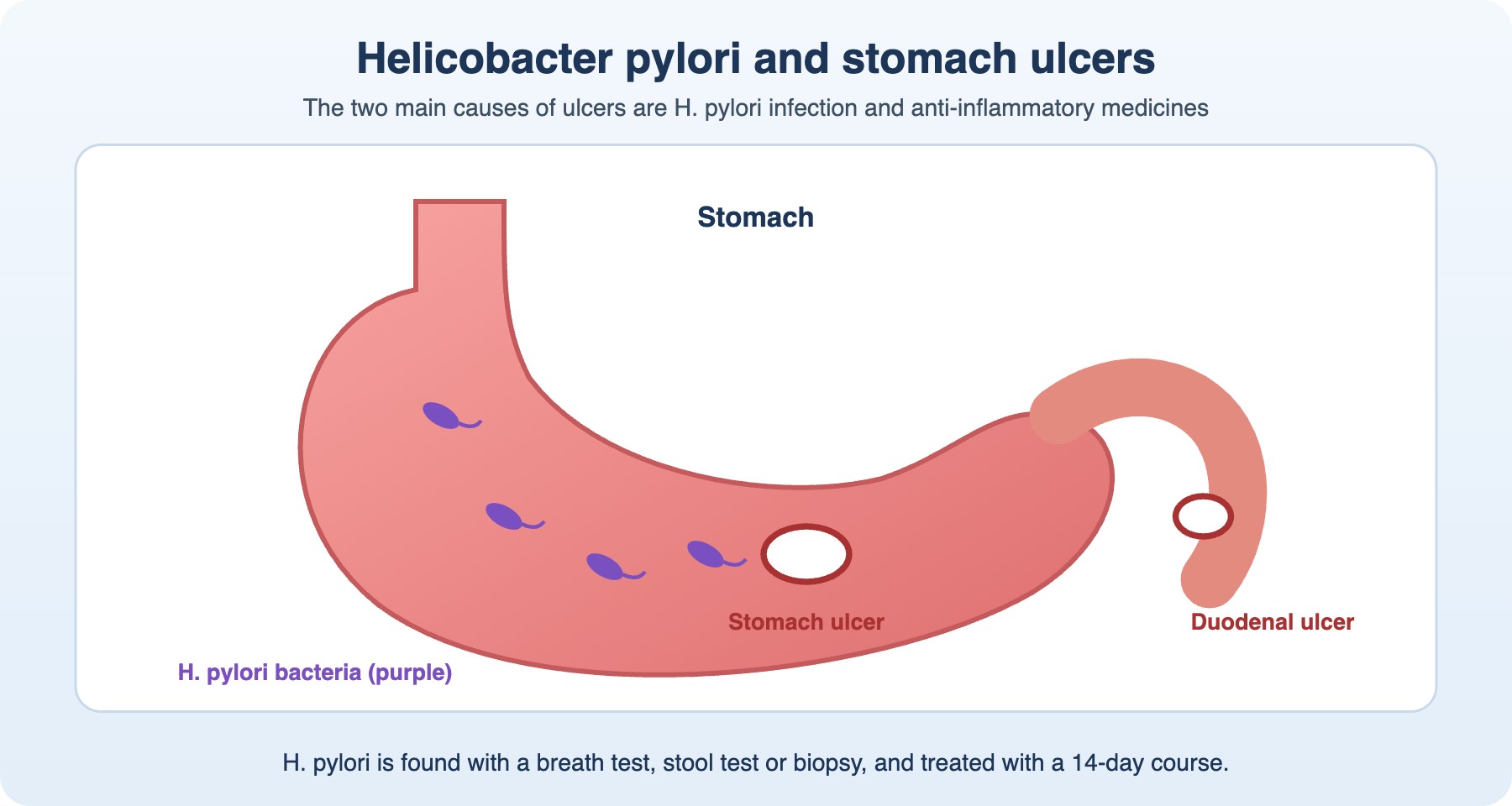
It can be detected with a urea breath test, a stool antigen test, or biopsies at gastroscopy. For accurate results, stop PPIs for 2 weeks and antibiotics or bismuth for 4 weeks before a breath or stool test. First-line treatment in Australia is a 14-day course of a PPI with two antibiotics (amoxicillin and clarithromycin, or metronidazole if you are allergic to penicillin). Because antibiotic resistance is rising, a test of cure at least 4 weeks after finishing treatment (and 2 weeks off PPIs) is recommended for everyone.
Guideline: Therapeutic Guidelines; RACGP Australian Journal of General Practice, 2025.
The two main causes are H. pylori infection and anti-inflammatory medicines such as ibuprofen, diclofenac or aspirin. Symptoms include upper abdominal pain, indigestion and nausea. Black stools or vomiting blood need urgent medical attention.
Reinfection after successful treatment is uncommon in Australia. If symptoms return, your doctor may repeat a breath test.
Routine testing of all family members is not usually needed. Testing is recommended for relatives who have upper digestive symptoms, and for anyone with a family history of stomach cancer.
Guideline: RACGP Australian Journal of General Practice, 2025.
Coeliac disease is an autoimmune condition where gluten (found in wheat, barley, rye and oats) damages the lining of the small intestine. It affects about 1 in 70 Australians, but many people are undiagnosed.
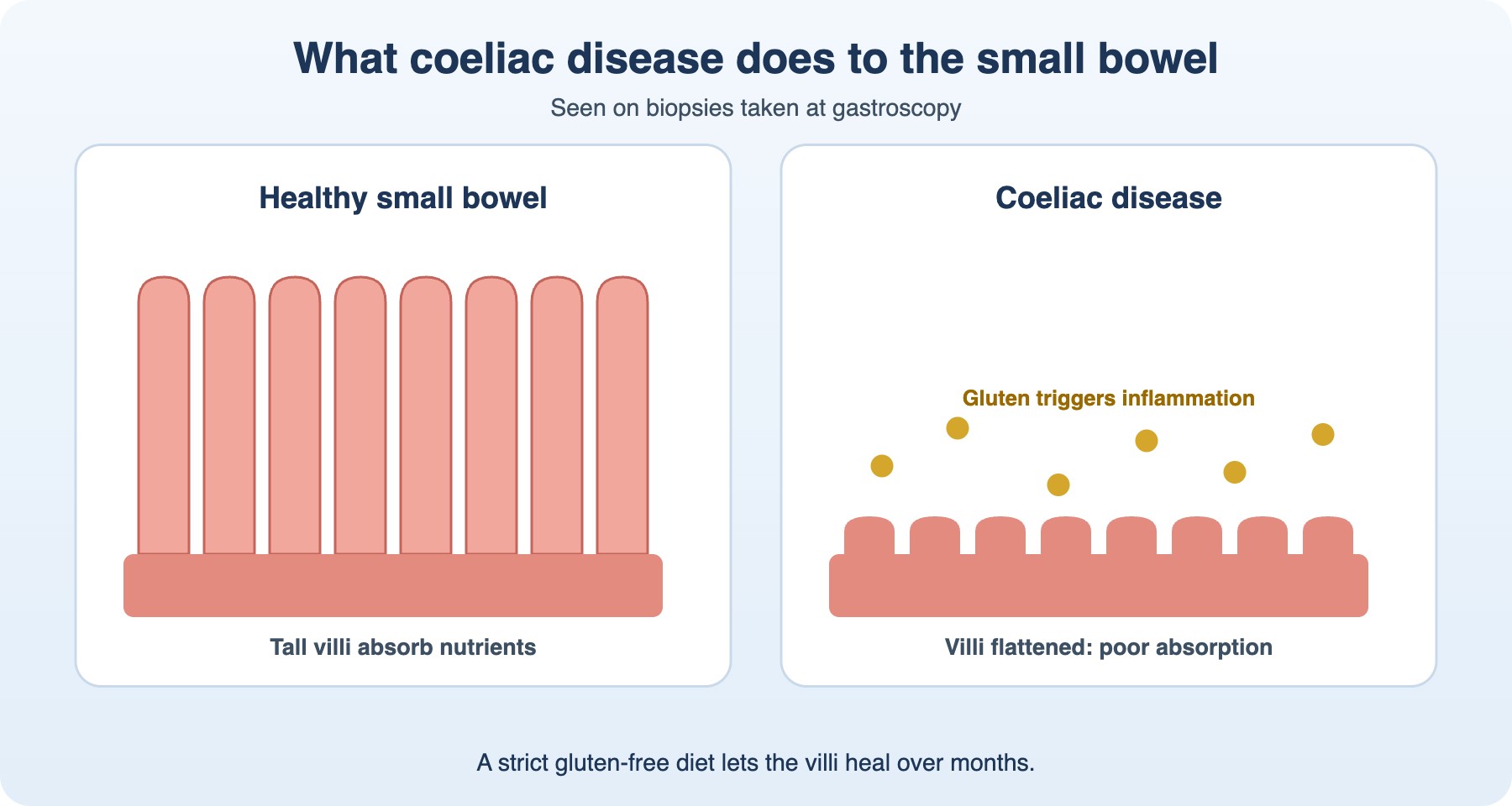
Symptoms vary widely and can include bloating, diarrhoea, constipation, tiredness, iron deficiency, weight loss, mouth ulcers or no obvious symptoms at all. It can run in families.
Testing starts with a blood test (tTG-IgA with total IgA), followed by small bowel biopsies at gastroscopy to confirm the diagnosis in adults. Keep eating gluten until testing is complete, as a gluten-free diet can make results falsely normal.
Guideline: Coeliac Australia; GESA coeliac disease guidance.
Treatment is a strict, lifelong gluten-free diet, ideally with support from a dietitian. Follow-up checks your response, iron and vitamin levels, and bone health.
Yes. Coeliac disease can be diagnosed at any age, including in older adults, even if you have eaten gluten without problems for many years.
Yes. First-degree relatives (parents, brothers, sisters and children) of someone with coeliac disease have about a 1 in 10 chance of having it, and many have no symptoms, so a blood test is recommended. A negative test may need repeating later if symptoms develop.
Guideline: Medical Journal of Australia, 2023; Coeliac Australia.
If you have already stopped gluten, accurate testing requires eating it again. Coeliac Australia recommends about 10 g of gluten a day for adults (roughly 4 slices of wheat bread) for at least 6 weeks before blood tests and biopsies, using wheat-based foods. A genetic test (HLA-DQ2/DQ8) can help rule out coeliac disease without a gluten challenge.
Guideline: Coeliac Australia Gluten Challenge Fact Sheet.
Irritable bowel syndrome is a common condition affecting how the gut and brain communicate. It causes abdominal pain, bloating and changes in bowel habit (diarrhoea, constipation or both) without damage to the bowel.
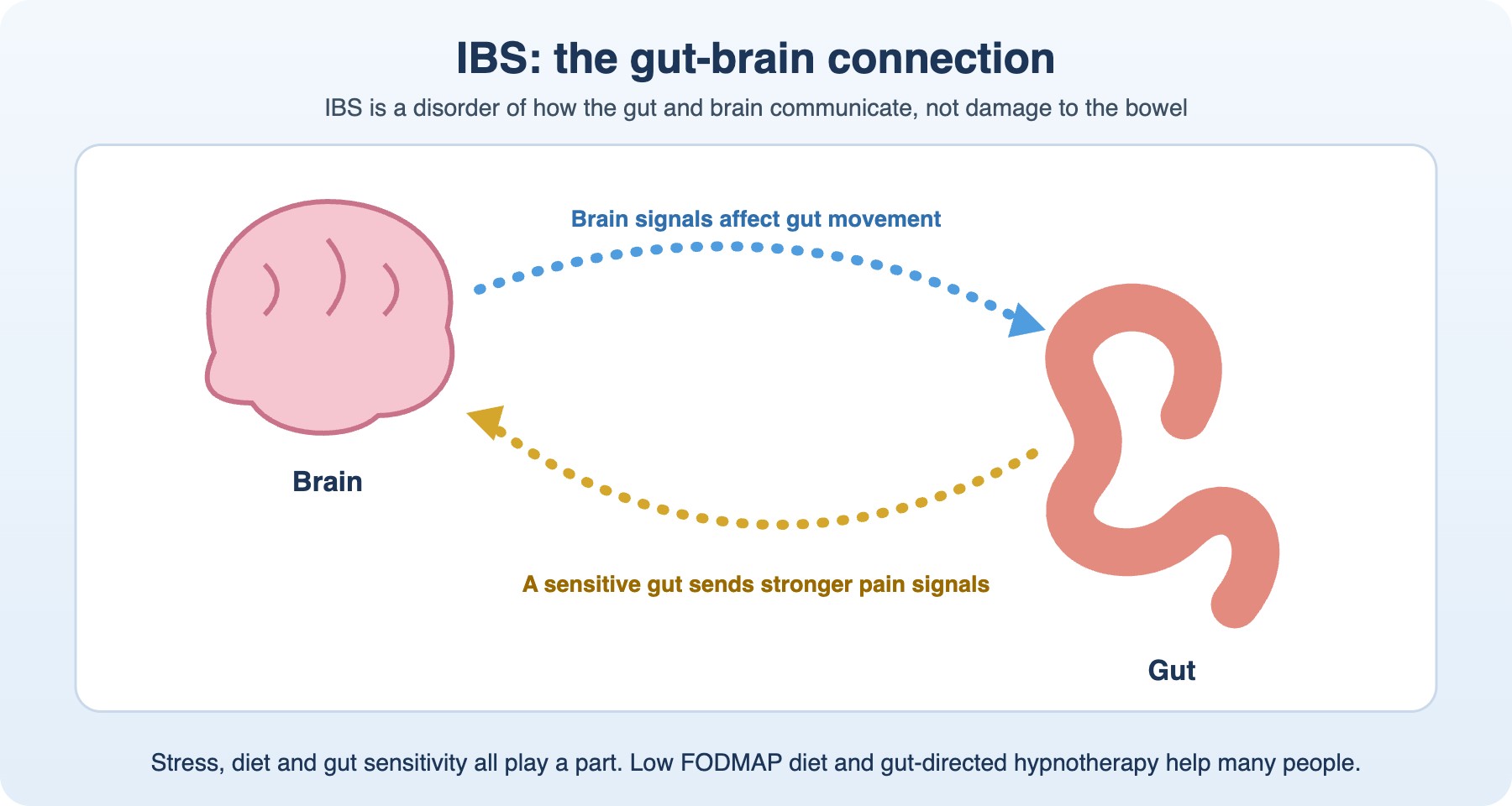
IBS is diagnosed from your symptoms using the Rome IV criteria, after other conditions have been considered. Blood tests (including coeliac serology) and a stool calprotectin test are often done. A colonoscopy may be recommended if there are warning signs such as bleeding, weight loss, anaemia, a family history of bowel cancer or new symptoms after age 45.
Guideline: Rome IV criteria.
Effective treatments include dietary changes such as a dietitian-guided low FODMAP diet, soluble fibre, regular meals, stress management, gut-directed hypnotherapy and medicines targeted to your main symptoms. Most people improve significantly with a tailored plan.
FODMAPs are types of carbohydrates found in foods such as wheat, onion, garlic, legumes, some fruits and dairy. They can cause wind, bloating and changes in bowel habit in people with IBS. The diet involves a short elimination phase (2 to 6 weeks) followed by reintroduction to find your personal triggers, ideally guided by a dietitian. It is not meant to be followed strictly long term.
Guideline: Monash University low FODMAP program.
No. IBS does not damage the bowel or lead to cancer or inflammatory bowel disease. However, new symptoms or warning signs should always be checked, because IBS can occur alongside other conditions.
Stress does not cause IBS on its own, but the gut and brain are closely connected, so stress and anxiety can trigger or worsen symptoms. Treatments that target the gut-brain connection, such as gut-directed hypnotherapy, are effective for many people.
Both are types of inflammatory bowel disease (IBD). Ulcerative colitis affects only the large bowel lining, starting from the rectum. Crohn’s disease can affect any part of the gut, most often the end of the small bowel, and can involve the full thickness of the bowel wall.
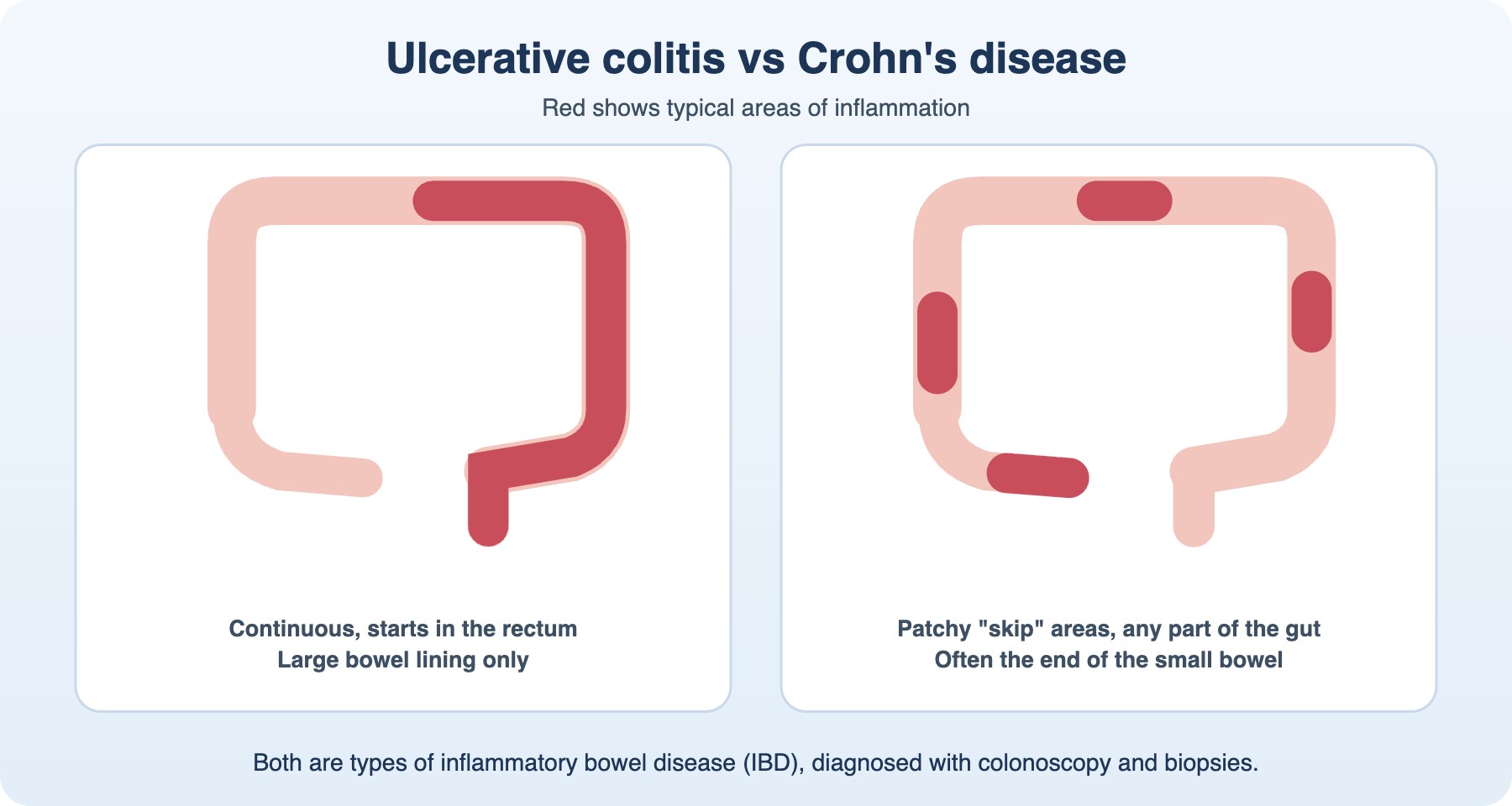
Symptoms include ongoing diarrhoea, blood or mucus in the stools, urgency, abdominal pain, tiredness and weight loss. Symptoms often come and go in flares.
Treatment aims to control inflammation and keep the disease in remission. Options include aminosalicylates, steroids for flares, immune-modifying medicines, and biologic or advanced therapies given as tablets, injections or infusions. Regular monitoring is important to prevent complications.
The exact cause is unknown. IBD results from an overactive immune response in the gut in people with a genetic tendency, influenced by the gut bacteria and environmental factors such as smoking (for Crohn’s disease). It is not caused by stress or diet, although these can affect symptoms.
Diagnosis combines blood tests, a stool calprotectin test, colonoscopy with biopsies and often imaging such as an MRI of the small bowel. Capsule endoscopy may be used to look at the small intestine in Crohn’s disease.
Most people with IBD can have healthy pregnancies. The best outcomes occur when the disease is in remission before conception. Many IBD medicines are safe in pregnancy, so plan ahead with your gastroenterologist rather than stopping treatment.
Long-standing colitis affecting more than a small part of the large bowel increases the risk of bowel cancer. Surveillance colonoscopy is recommended starting about 8 years after symptoms began, then every 1 to 5 years depending on your risk. People who also have primary sclerosing cholangitis (PSC) need yearly colonoscopy from diagnosis. Good control of inflammation also lowers the risk.
Guideline: Cancer Council Australia Clinical Practice Guidelines for the Prevention, Early Detection and Management of Colorectal Cancer.
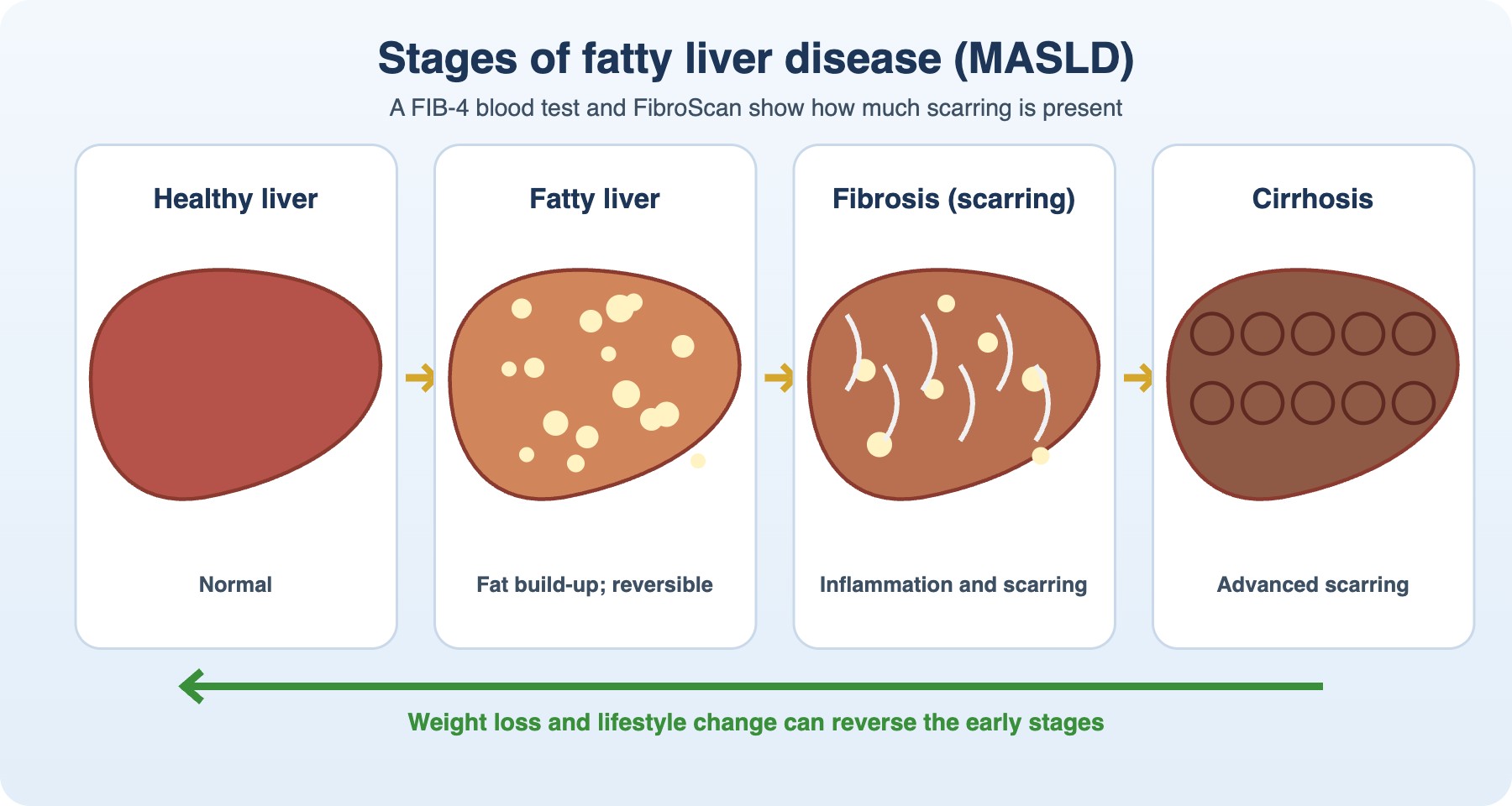
Fatty liver disease, now called MASLD (metabolic dysfunction-associated steatotic liver disease), is a build-up of fat in the liver linked to excess weight, type 2 diabetes, high cholesterol and high blood pressure. It affects between one in three and two in five Australian adults, making it the most common liver condition in Australia.
Guideline: Medical Journal of Australia, 2026.
Most people have simple fatty liver, but in some it causes inflammation and scarring (fibrosis) that can progress to cirrhosis. Guidelines recommend a simple blood test score (FIB-4) first, followed by a FibroScan if the score is not low, to assess scarring.
Guideline: EASL-EASD-EASO Clinical Practice Guidelines on MASLD (2024); Medical Journal of Australia, 2026.
Yes, often. Losing about 5% of body weight reduces liver fat, 7 to 10% can reduce inflammation, and 10% or more can improve scarring. A Mediterranean-style diet, regular exercise, limiting alcohol and managing diabetes and cholesterol all help. Some medicines may be considered for people with significant scarring.
Guideline: EASL-EASD-EASO Clinical Practice Guidelines on MASLD (2024).
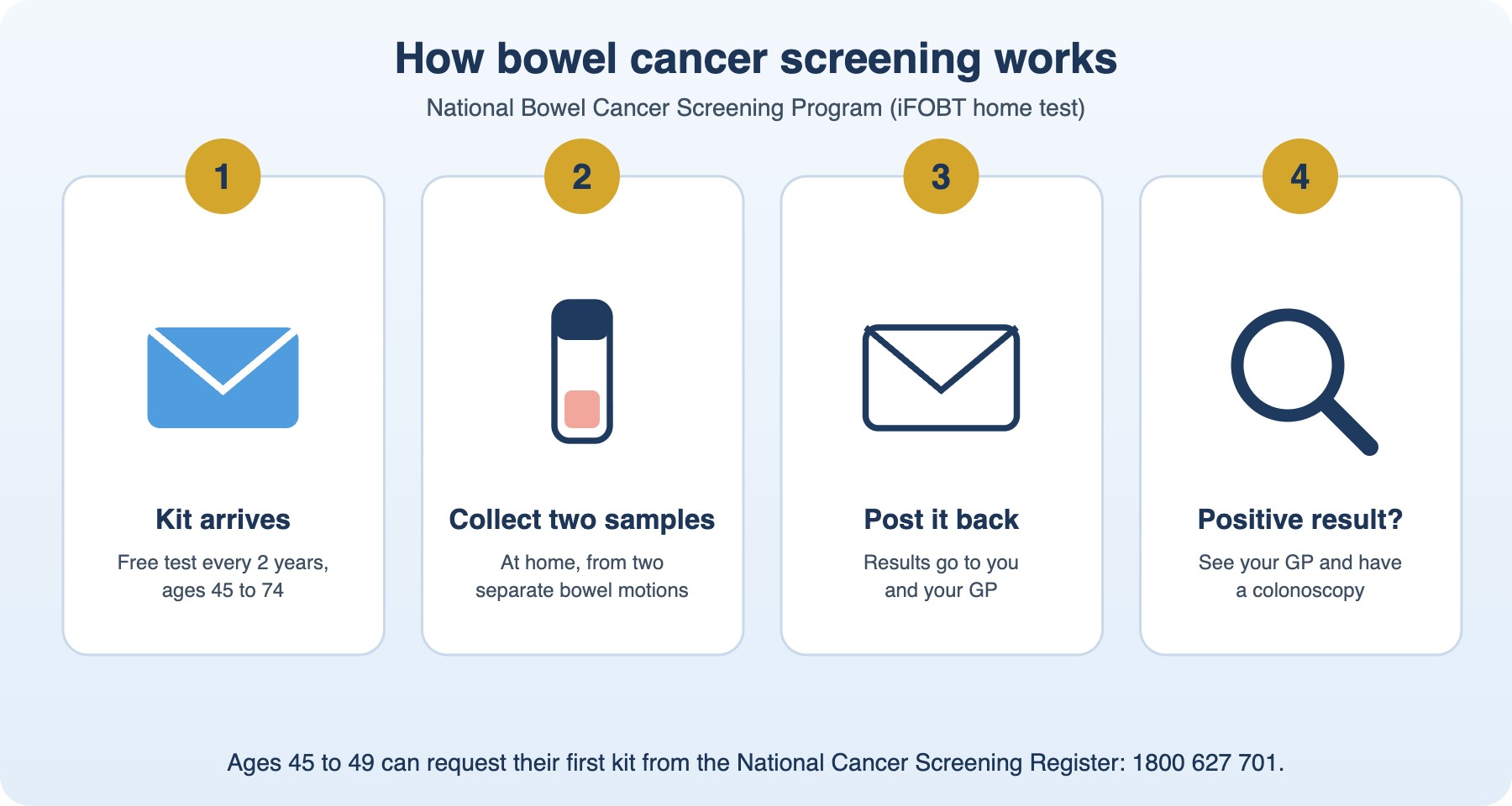
Under the National Bowel Cancer Screening Program, Australians aged 45 to 74 can do a free home test (iFOBT) every two years. Kits are mailed automatically from age 50 to 74. Since 1 July 2024, people aged 45 to 49 can request their first kit through the National Cancer Screening Register (online or on 1800 627 701), and will then receive one every two years. People with a strong family history or certain conditions may need colonoscopy instead, sometimes starting earlier.
Guideline: National Bowel Cancer Screening Program; Cancer Council Australia, 2024.
A positive result means blood was found in the stool and needs investigation, even if you feel well. Most positive results are not cancer, but you should see your GP and have a colonoscopy, which guidelines recommend within 30 days of referral.
Guideline: National Bowel Cancer Screening Program; Colonoscopy categorisation guidelines.
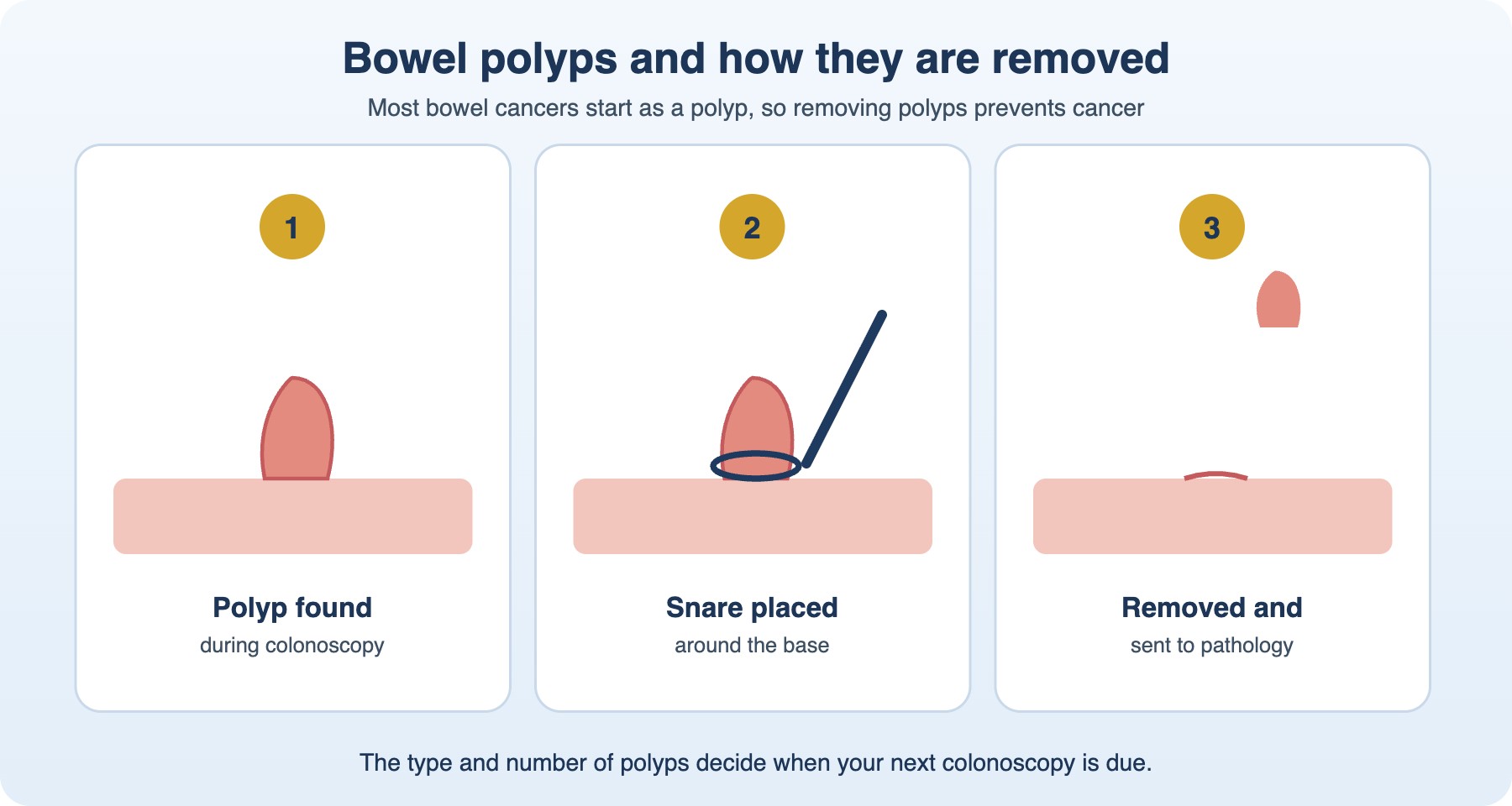
Polyps are small growths on the bowel lining. Some types can slowly turn into cancer over many years. Removing them during colonoscopy is one of the most effective ways to prevent bowel cancer. The timing of your next colonoscopy depends on the number, size and type of polyps removed, and your specialist will advise you.
Guideline: Cancer Council Australia colonoscopy surveillance guidelines.
Haemorrhoids are swollen blood vessels in and around the anus and lower rectum. They can cause painless bright red bleeding, a lump, itching or discomfort, and are often linked to constipation and straining.
Rectal bleeding should always be checked by a doctor, even if you think it is from haemorrhoids. See a doctor promptly if bleeding is new, ongoing, mixed with the stool, or comes with a change in bowel habit, weight loss, tiredness or a family history of bowel cancer.
Most improve with more fibre and fluids, avoiding straining and short-term creams. Internal haemorrhoids that keep bleeding or prolapsing can be treated with rubber band ligation, a quick procedure often done during colonoscopy.
Bright red blood on the toilet paper or in the bowl usually comes from near the anus, such as haemorrhoids or a fissure. Darker blood mixed with the stool can come from higher in the bowel. Black, tarry stools usually mean bleeding from the stomach or upper gut and need urgent assessment. Iron tablets and some foods can also darken stools.
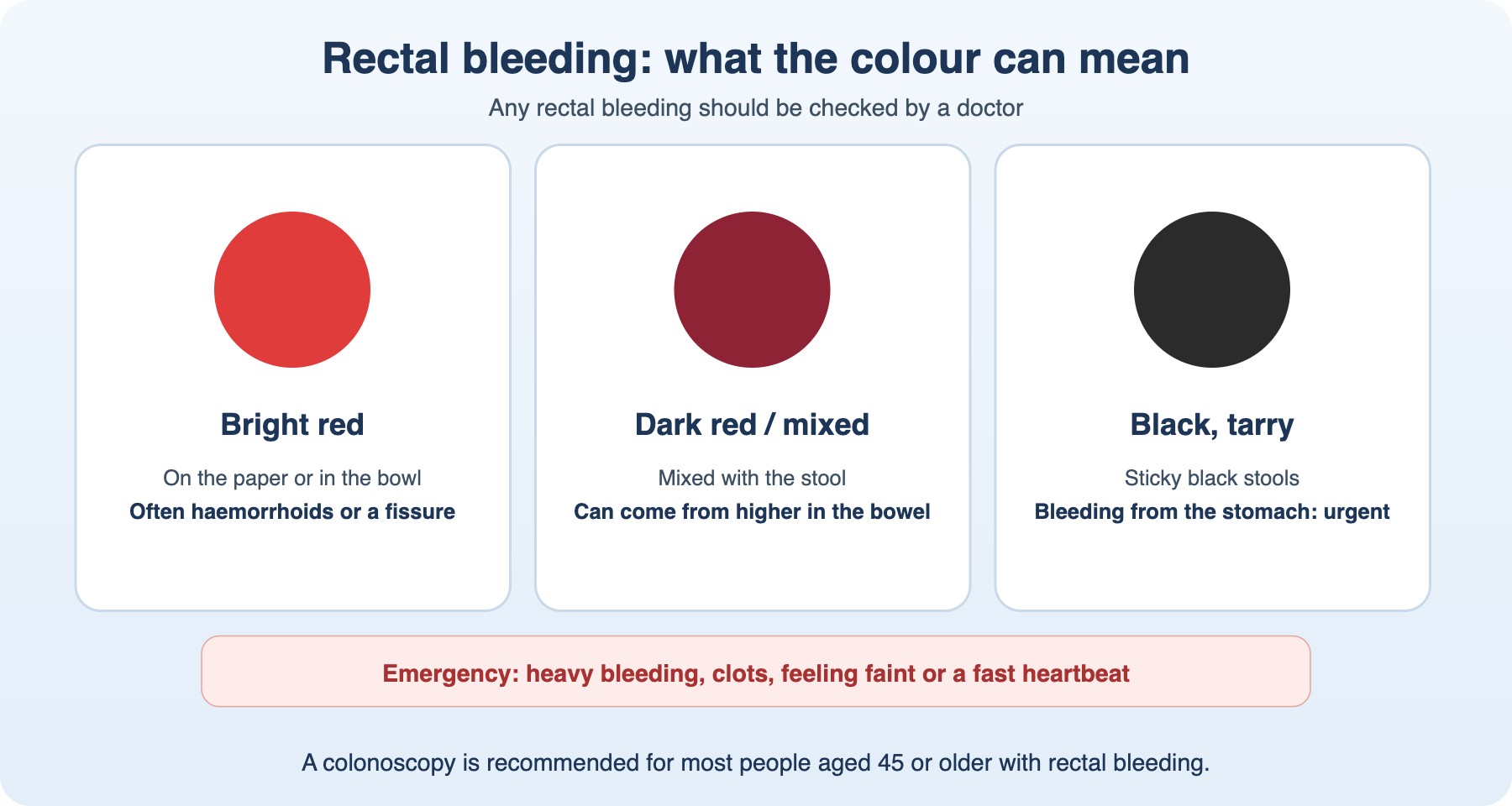
An anal fissure is a small tear in the lining of the anus, often caused by passing a hard stool. It causes sharp pain during and after bowel motions and a small amount of bright red bleeding. Most heal with softer stools, fibre and prescribed ointments.
Often, yes. A colonoscopy is recommended if you are over 45, have a family history of bowel cancer, bleeding mixed with the stool, a change in bowel habit, weight loss or iron deficiency. Younger people with typical haemorrhoid bleeding may only need an examination, but your doctor will advise.
Go to an emergency department if you are passing a large amount of blood or clots, feel faint or dizzy, have a fast heartbeat, or have severe abdominal pain with bleeding.
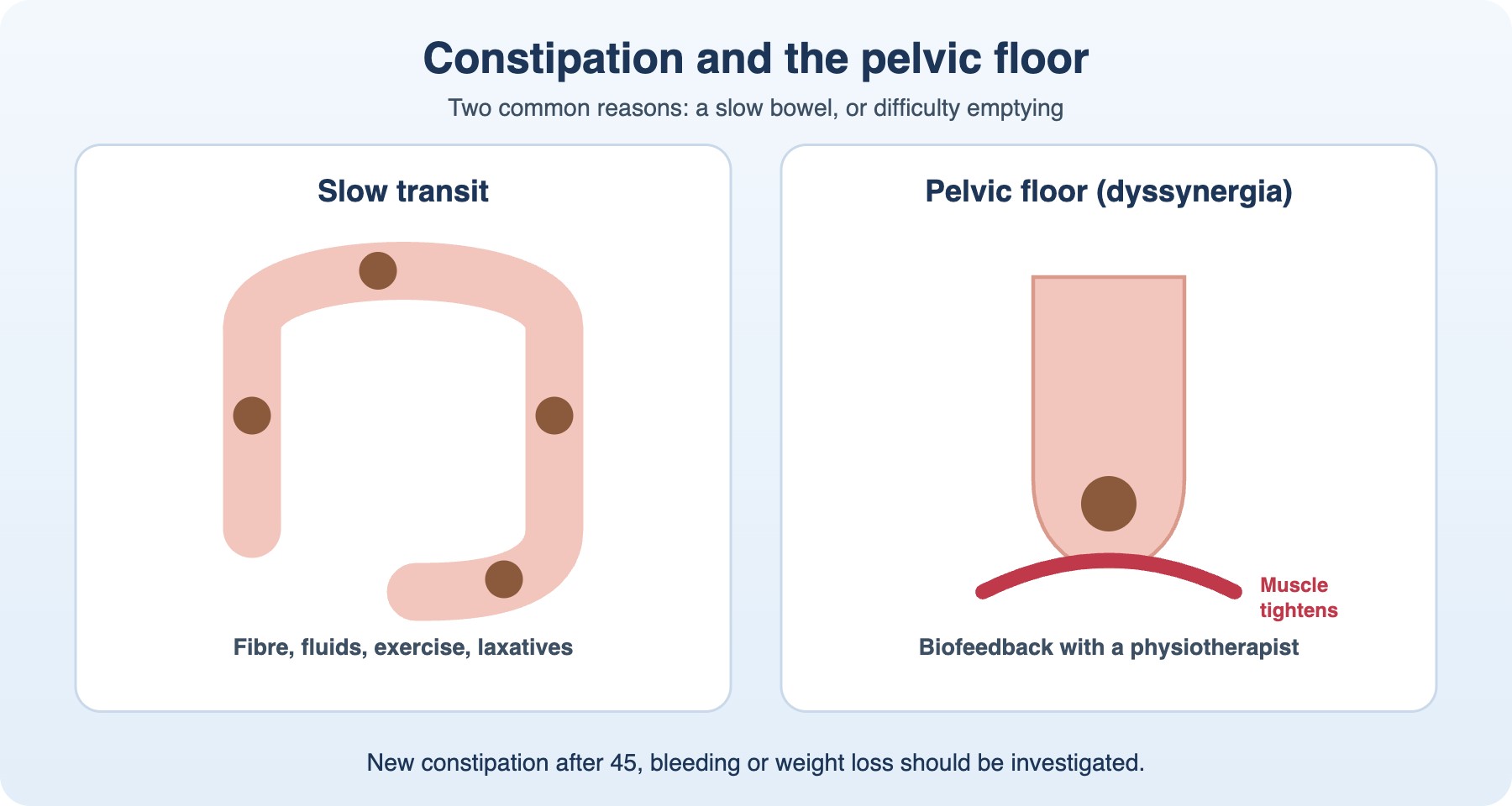
See your doctor if constipation is new or persistent, does not respond to fibre, fluids and laxatives, or comes with bleeding, weight loss, abdominal pain or anaemia. New bowel changes after the age of 45 should be investigated.
Common causes include IBS, constipation, swallowing air, certain foods (FODMAPs), lactose intolerance, coeliac disease and small intestinal bacterial overgrowth. Persistent bloating with weight loss, bleeding or a change in bowel habit needs medical review.
Diverticula are small pouches in the wall of the large bowel and are very common with age. Most cause no problems. Diverticulitis occurs when a pouch becomes inflamed, causing pain (usually in the lower left abdomen), fever and tenderness, and needs prompt medical assessment.
Bulk-forming fibre supplements such as psyllium and osmotic laxatives such as macrogol (polyethylene glycol) are generally safe for regular use. Stimulant laxatives can be used occasionally. Ask your doctor or pharmacist which is best for you, especially if you need them often.
Most adults need around 25 to 30 grams of fibre a day from wholegrains, fruit, vegetables, legumes, nuts and seeds. Increase fibre gradually to limit bloating, and drink enough fluid, as fibre works best with water.
Yes. Some people have difficulty emptying the bowel because the pelvic floor muscles do not relax properly when straining. This is called dyssynergic defaecation and is treated with biofeedback therapy with a specialist physiotherapist.
Diarrhoea lasting more than 4 weeks is called chronic diarrhoea and should be investigated. See a doctor sooner if there is blood in the stool, night-time diarrhoea, weight loss, fever, severe pain or dehydration.
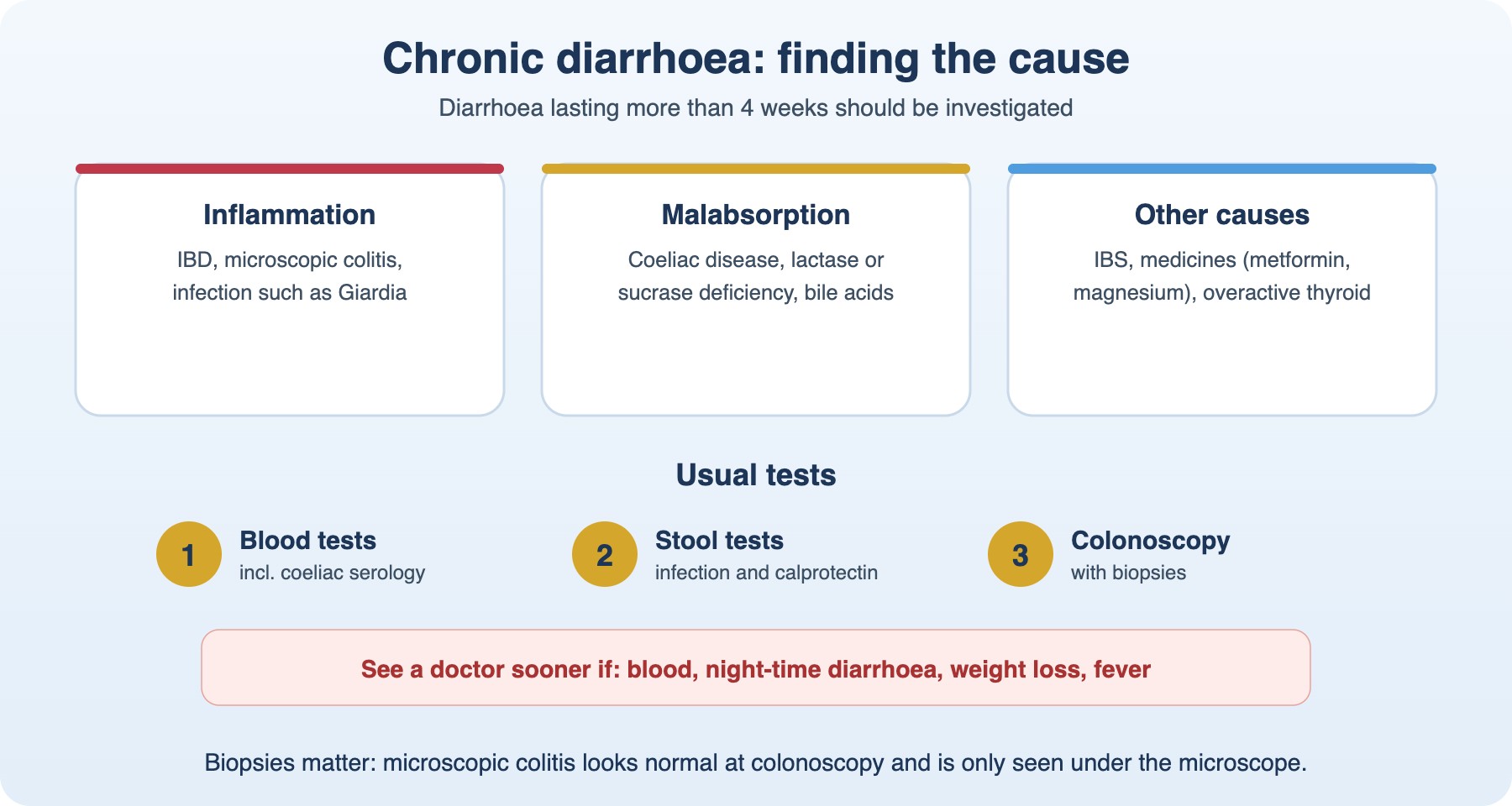
Common causes include IBS, coeliac disease, inflammatory bowel disease, microscopic colitis, lactose intolerance, bile acid diarrhoea, medicines (such as metformin, magnesium or some antidepressants), an overactive thyroid and infections such as Giardia.
Blood tests (including coeliac serology and inflammatory markers), stool tests for infection and calprotectin (a marker of bowel inflammation), and often a colonoscopy with biopsies. Biopsies are important because microscopic colitis can only be seen under the microscope.
Microscopic colitis is inflammation of the bowel lining that looks normal at colonoscopy but is seen in biopsies. It causes watery diarrhoea, often in people over 50, and can be linked to certain medicines. It usually responds well to treatment.
Daily bloating is very common and is often linked to IBS, constipation, the fermentation of certain foods (FODMAPs), swallowing air or increased gut sensitivity. Bloating that worsens through the day and settles overnight is typical of functional bloating.
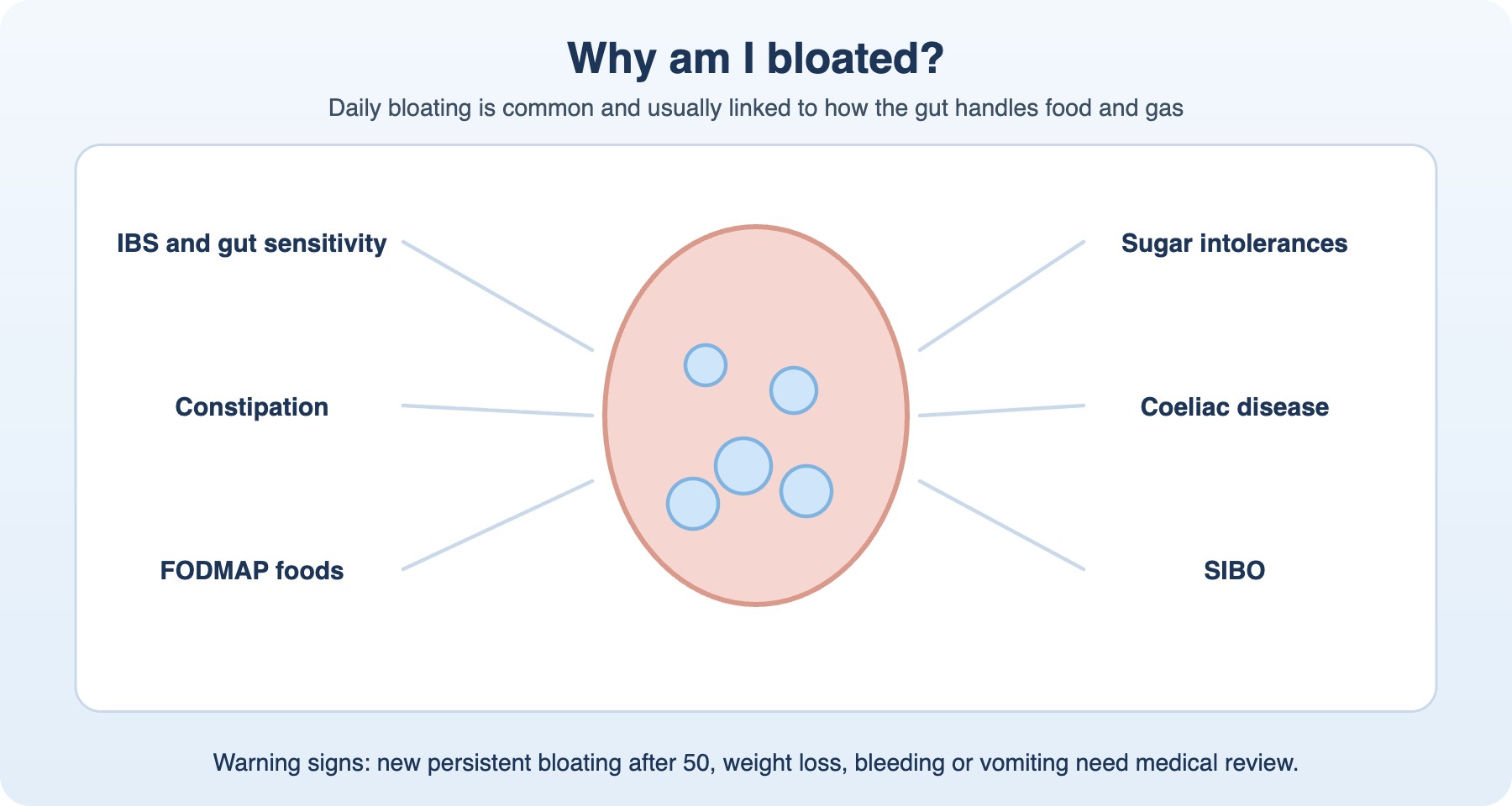
See a doctor if bloating is new and persistent, especially in women over 50, or if it comes with weight loss, bleeding, vomiting, a change in bowel habit, a noticeable swelling that does not go down, or reduced appetite.
Treating any constipation, eating regular meals slowly, limiting fizzy drinks and chewing gum, trying a dietitian-guided low FODMAP diet, regular exercise and sometimes specific medicines or gut-directed hypnotherapy can all help.
Lactose intolerance means the body does not make enough lactase, the enzyme that digests the sugar in milk. It can cause bloating, wind, cramps and diarrhoea after dairy. Most people can still manage small amounts, and lactose-free products are widely available. Testing options, including breath tests and biopsies at gastroscopy, are explained under lactase, sucrase and maltase deficiency.
No. A food allergy involves the immune system and can cause hives, swelling or anaphylaxis. A food intolerance causes digestive symptoms such as bloating or diarrhoea and is not dangerous, although it can be very uncomfortable.
Small intestinal bacterial overgrowth (SIBO) occurs when excess bacteria grow in the small intestine, causing bloating, wind, diarrhoea and sometimes poor absorption of nutrients. It is more likely after certain bowel surgery, with slow gut movement or with some medical conditions. Breath testing can help diagnosis, and it is treated with antibiotics.
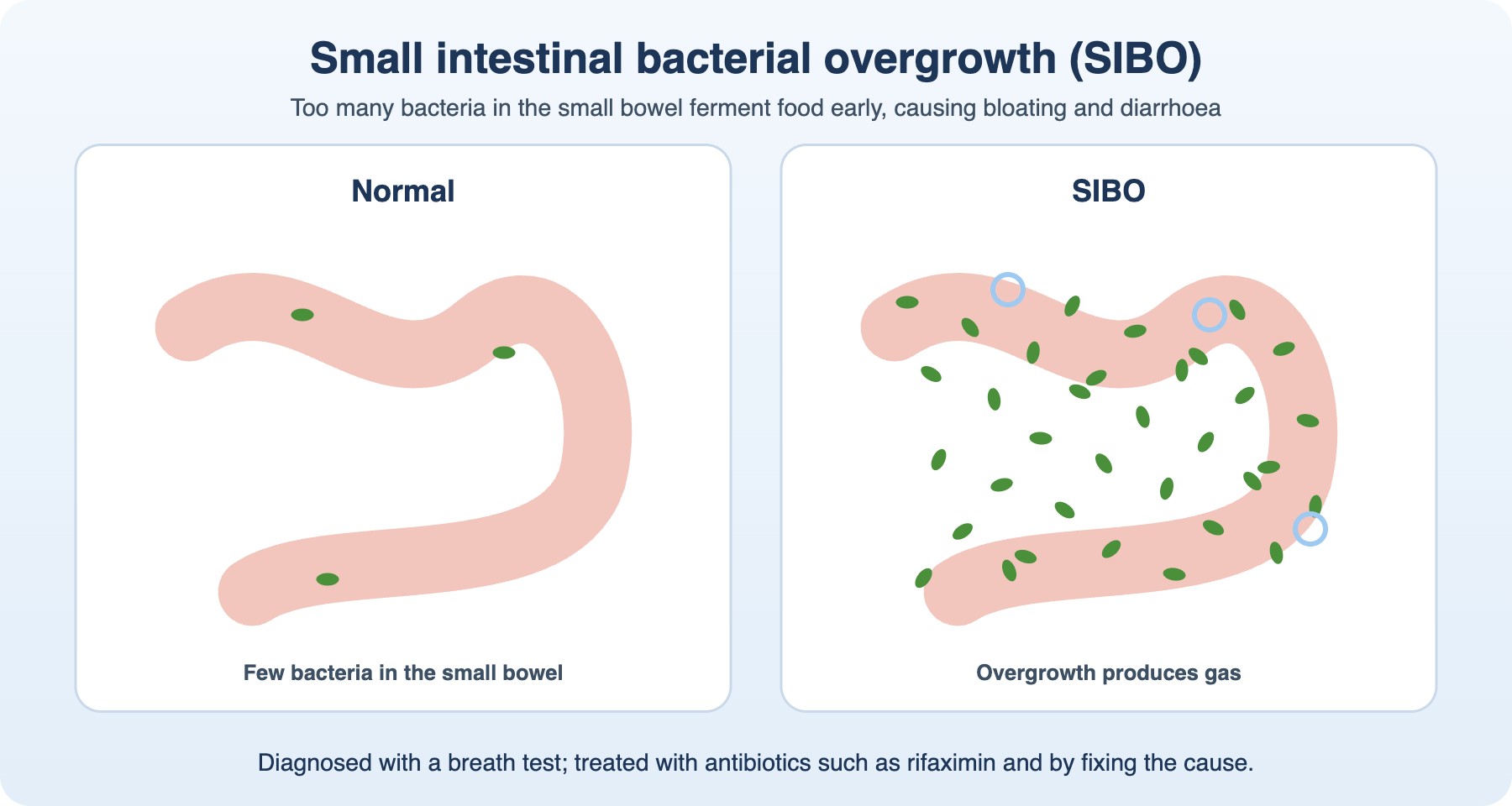
SIBO is usually treated with a course of antibiotics, most often rifaximin. Treating the underlying cause, such as slow gut movement or certain medicines, helps prevent it coming back. Dietary changes may help with symptoms.
Some people do not absorb fructose well, a sugar found in fruit, honey and some sweeteners. Unabsorbed fructose ferments in the bowel and can cause bloating, wind and diarrhoea. It is managed by reducing high-fructose foods, often as part of a low FODMAP approach.
Please be tested for coeliac disease before cutting out gluten, because a gluten-free diet can make coeliac tests falsely normal. Some people without coeliac disease feel better with less wheat because of its FODMAP content rather than gluten.
IgG food intolerance blood tests and hair or bioresonance tests are not scientifically validated and are not recommended. Breath tests and supervised elimination and reintroduction diets with a dietitian are more reliable ways to identify triggers.
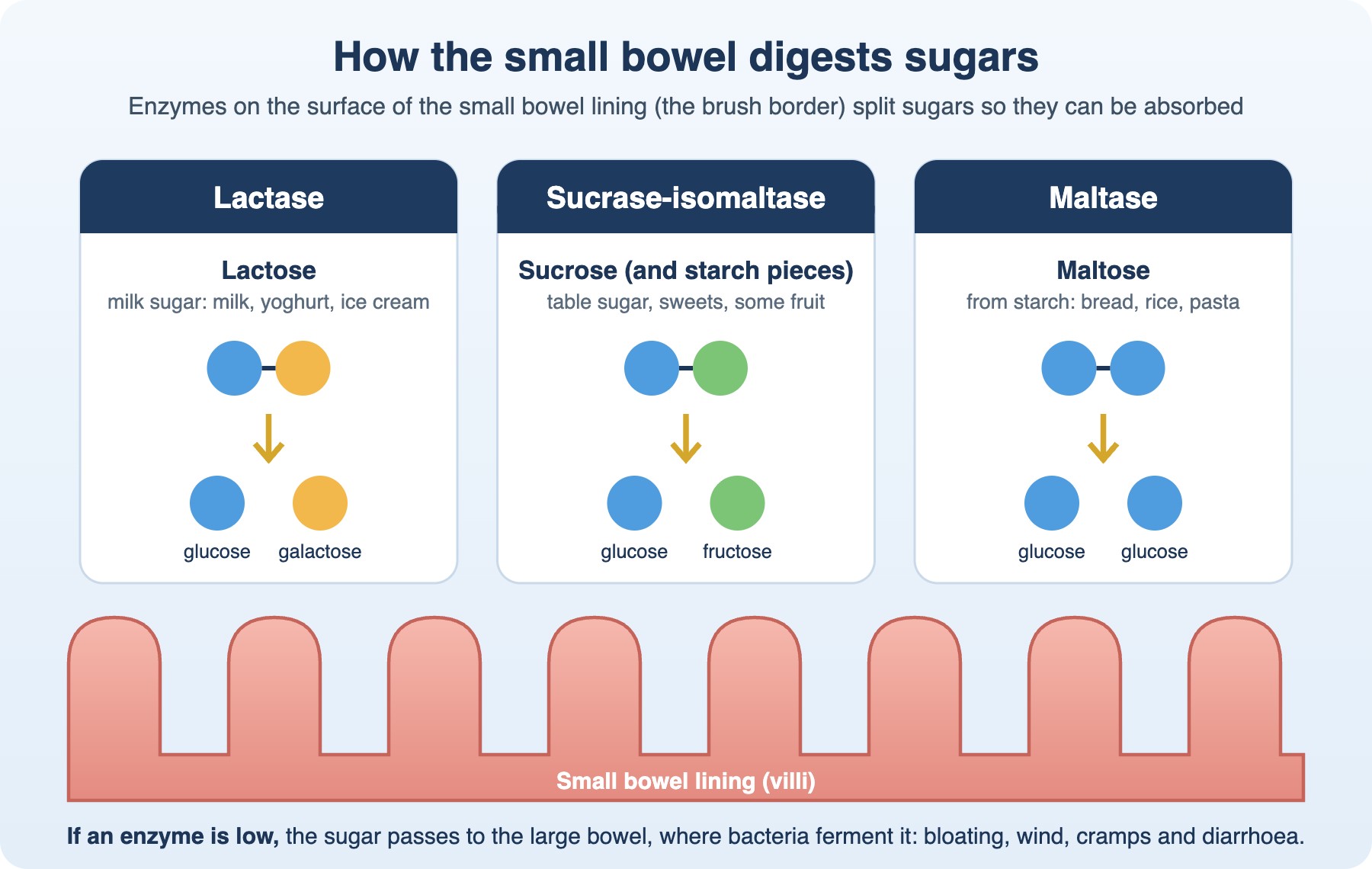
They are digestive enzymes (disaccharidases) on the surface of the small bowel lining. Lactase breaks down lactose, the sugar in milk. Sucrase-isomaltase breaks down sucrose (table sugar) and some starch fragments. Maltase breaks down maltose, which comes from starchy foods such as bread, rice and pasta. If one of these enzymes is low, the undigested sugar passes into the large bowel, where bacteria ferment it, causing bloating, wind, cramps and diarrhoea.
There are two main types. Primary deficiency is inherited. Low lactase in adulthood is very common worldwide, especially in people of Asian, African, Middle Eastern and Southern European background. Congenital sucrase-isomaltase deficiency (CSID) is rare, but milder genetic variants are more common than once thought. Secondary deficiency happens when the small bowel lining is damaged, for example by coeliac disease, Crohn’s disease, gastroenteritis, Giardia, SIBO or chemotherapy. Secondary deficiency often improves once the cause is treated.
Bloating, wind, cramping, rumbling and loose stools, usually within 30 minutes to a few hours of eating the trigger. With lactase deficiency the trigger is dairy. With sucrase-isomaltase deficiency it is table sugar, sweets, desserts, some fruit and, for some people, starchy foods. The symptoms are very similar to IBS, so some people diagnosed with IBS actually have an enzyme deficiency.
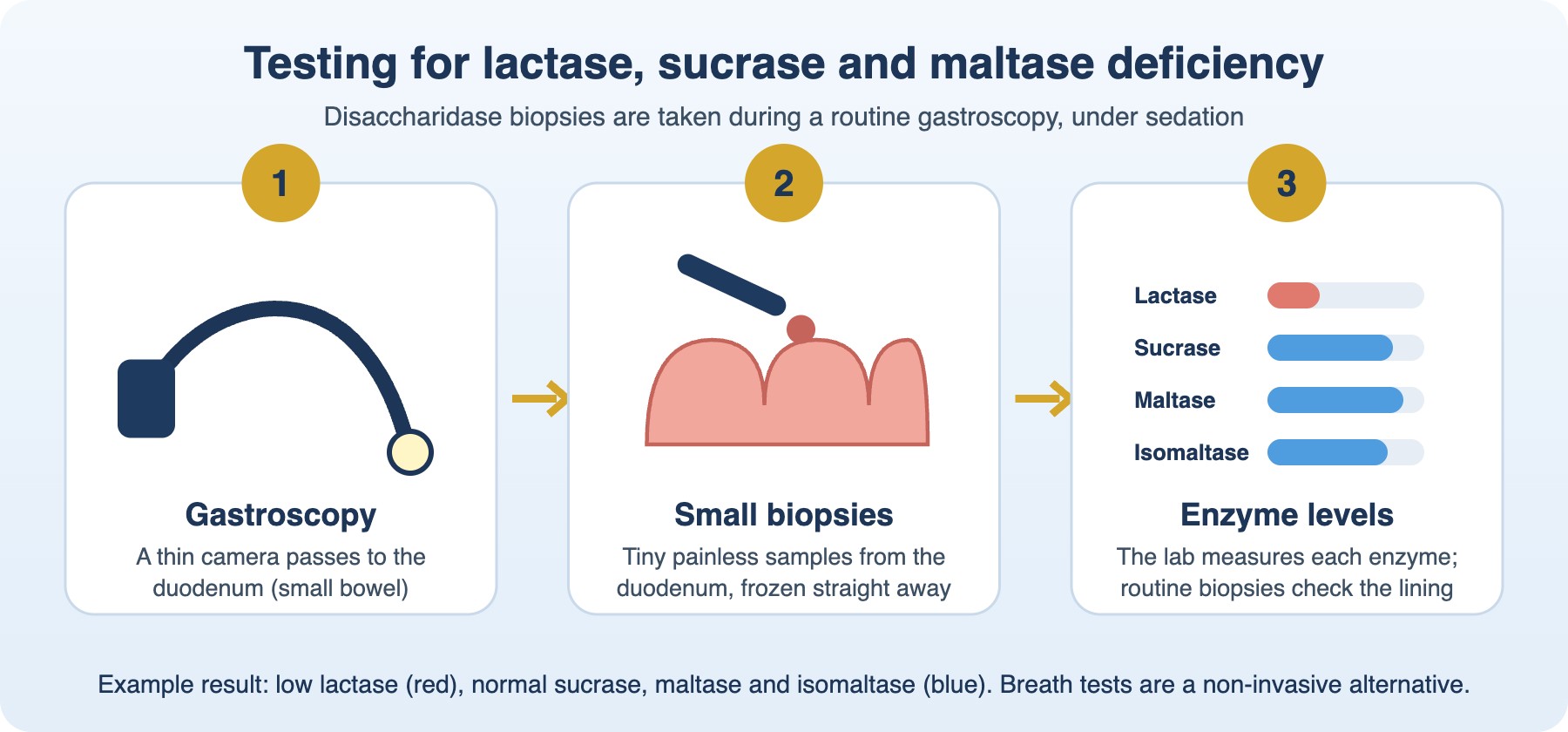
The most direct test is a gastroscopy with small biopsies taken from the duodenum and sent for a disaccharidase assay. The biopsies are frozen straight away and the laboratory measures lactase, sucrase, maltase and isomaltase activity. Routine biopsies are taken at the same time to check for coeliac disease and other causes of damage to the lining. This test attracts a Medicare rebate.
Breath tests are a non-invasive alternative: a lactose breath test for lactase deficiency, and a sucrose breath test where available. A genetic test can show whether you are likely to keep making lactase as an adult.
Guideline: Royal Children’s Hospital Melbourne laboratory: disaccharidase assay (MBS item 66680); Intestinal disaccharidase deficiency in adults: evaluation and treatment, Current Gastroenterology Reports (2023).
It is the most direct measure of enzyme activity, but results must be read alongside the biopsy findings. Enzyme levels are often low when the lining is inflamed, for example in coeliac disease, so low results in that setting are usually secondary and improve with treatment. Enzymes can also be patchy, so more than one sample is taken. The test is most useful when the lining looks normal under the microscope but symptoms clearly suggest a sugar intolerance.
Guideline: Clinical and histopathologic predictors of disaccharidase deficiency in duodenal biopsy specimens (2019).
Treatment is mainly dietary, ideally with a dietitian. For lactase deficiency, most people can still have small amounts of dairy, and lactose-free milk, hard cheese and lactase enzyme drops or tablets help. For sucrase-isomaltase deficiency, reducing table sugar and sweet foods and, if needed, some starches usually improves symptoms. An enzyme replacement (sacrosidase) is used overseas for sucrase-isomaltase deficiency but is not readily available in Australia. If the deficiency is secondary, treating the underlying cause, such as coeliac disease or an infection, often lets the enzymes recover.
Guideline: Current Gastroenterology Reports (2023).
Lactose intolerance is the most common type of disaccharidase deficiency. Sucrase and maltase deficiency are less well known and are often missed. Because the symptoms overlap with IBS, testing is worth considering if symptoms are clearly linked to sugar, dairy or starchy foods, or if they continue despite a low FODMAP diet.
Gastroparesis means the stomach empties more slowly than normal without a blockage. It causes nausea, vomiting, early fullness, bloating and upper abdominal discomfort. It is more common in people with diabetes, after some surgery or viral infections, and can be caused by medicines such as opioids.
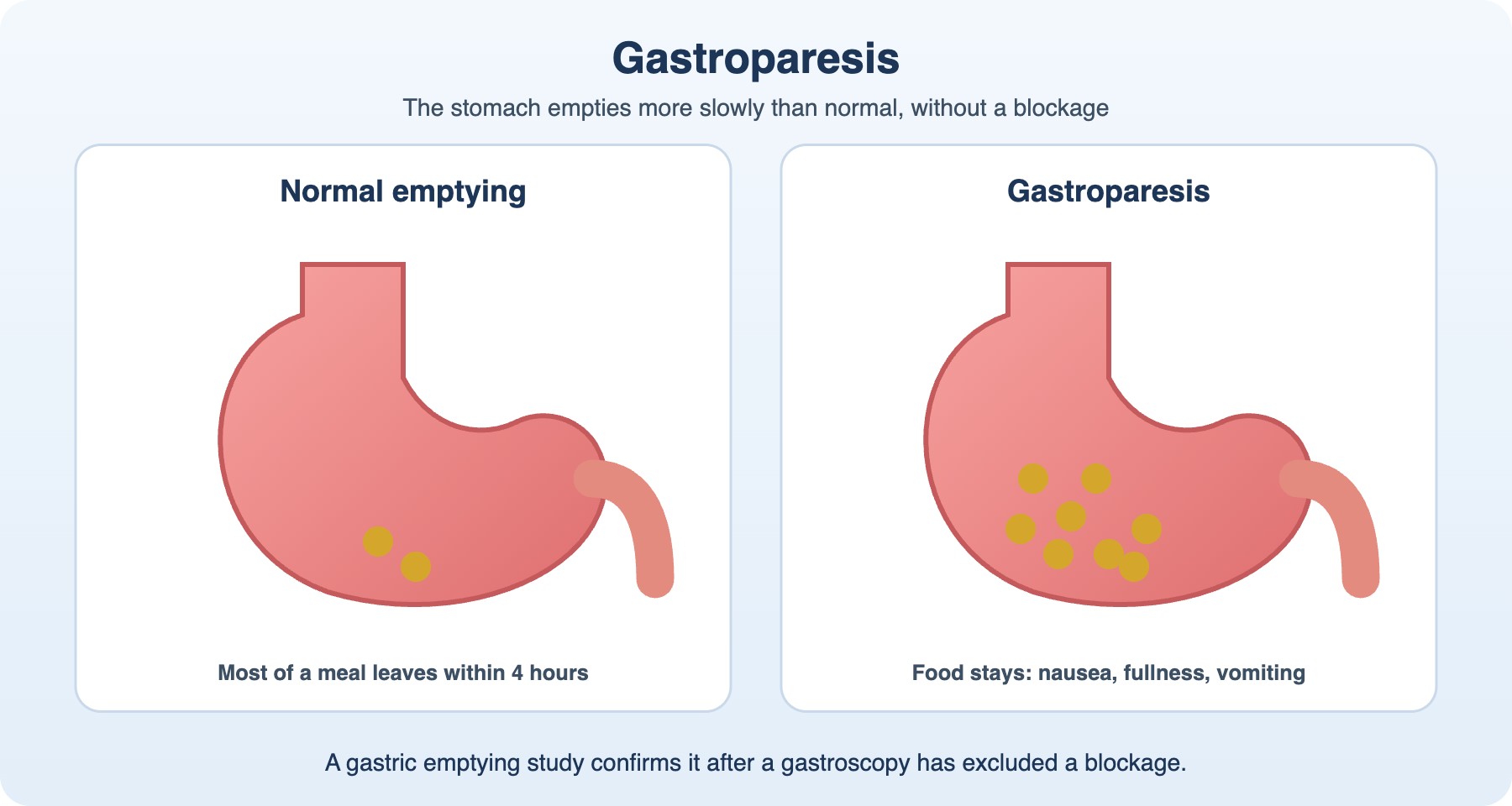
A gastroscopy is done first to exclude a blockage or ulcer. A gastric emptying study, where you eat a meal containing a tiny amount of a tracer, measures how quickly food leaves the stomach.
Seek urgent care for vomiting blood or material that looks like coffee grounds, severe abdominal pain, signs of dehydration, or vomiting that does not stop. Ongoing nausea, vomiting or weight loss should be assessed by your doctor.
Ulcerative colitis is a type of inflammatory bowel disease that causes inflammation and ulcers in the lining of the large bowel. It always starts in the rectum and can extend continuously along part or all of the colon.
Common symptoms are bloody diarrhoea, mucus in the stools, urgency, frequent bowel motions, cramping and tiredness. Symptoms tend to come and go, with flares and periods of remission.
Mild to moderate colitis is usually treated with mesalazine tablets or suppositories. Steroids may be used for flares. People with more active disease may need immune-modifying medicines or advanced therapies such as biologics or JAK inhibitors. Surgery is occasionally needed.
No diet cures ulcerative colitis, but a balanced diet supports overall health. During flares, some people find a lower-fibre diet easier. A dietitian with IBD experience can help.
Crohn’s disease is a type of inflammatory bowel disease that can affect any part of the digestive tract, from the mouth to the anus, most commonly the end of the small intestine (terminal ileum). Inflammation can involve the full thickness of the bowel wall and occur in patches.
Symptoms include abdominal pain (often in the lower right), diarrhoea, weight loss, tiredness, mouth ulcers and sometimes fistulas or abscesses around the anus. Symptoms depend on which part of the gut is affected.
Treatment may include steroids or nutritional therapy for flares, immune-modifying medicines, and biologic or other advanced therapies to maintain remission and prevent complications. Stopping smoking is one of the most important steps, as smoking makes Crohn’s disease worse. Some people need surgery for strictures or fistulas.
No. Crohn’s disease causes visible inflammation and damage that can be seen on colonoscopy, scans and blood or stool tests. IBS causes symptoms without inflammation or damage. Tests such as faecal calprotectin help tell them apart.
The gut is a common cause of iron deficiency, either from slow blood loss (such as ulcers, polyps or cancer) or poor absorption (such as coeliac disease). Men and post-menopausal women with iron deficiency are usually advised to have a gastroscopy and colonoscopy, and coeliac disease should be tested for in everyone with iron deficiency.
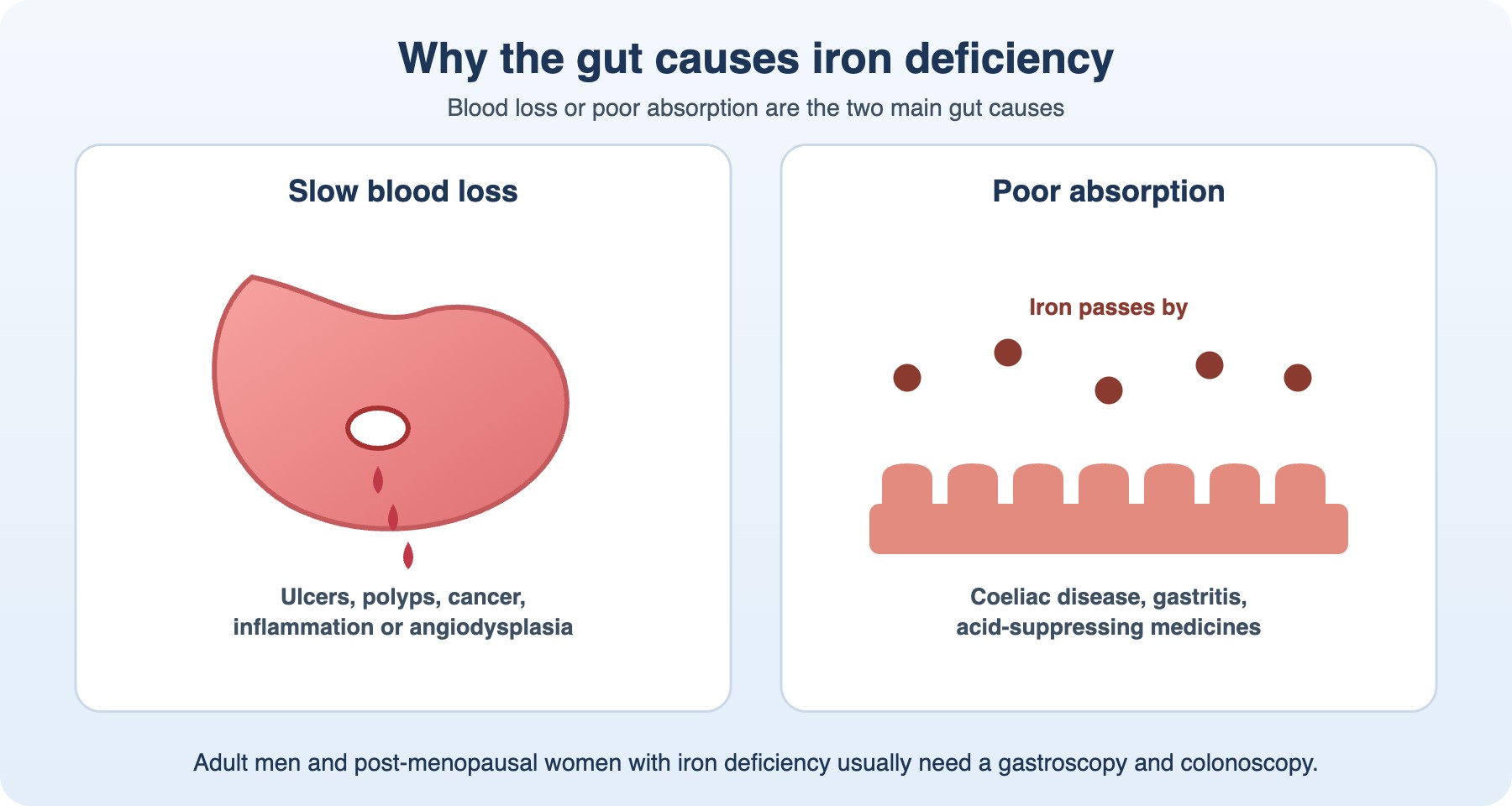
Guideline: GESA Iron Deficiency Clinical Update.
Iron replacement is important, but the cause should also be found. Taking iron without investigation can hide a problem that needs treatment. Iron infusions may be used if tablets are not tolerated or not absorbed.
Many gallstones cause no symptoms. When they do, the typical symptom is biliary colic: severe, steady pain in the upper right or middle abdomen, often after a fatty meal, lasting 30 minutes to several hours.
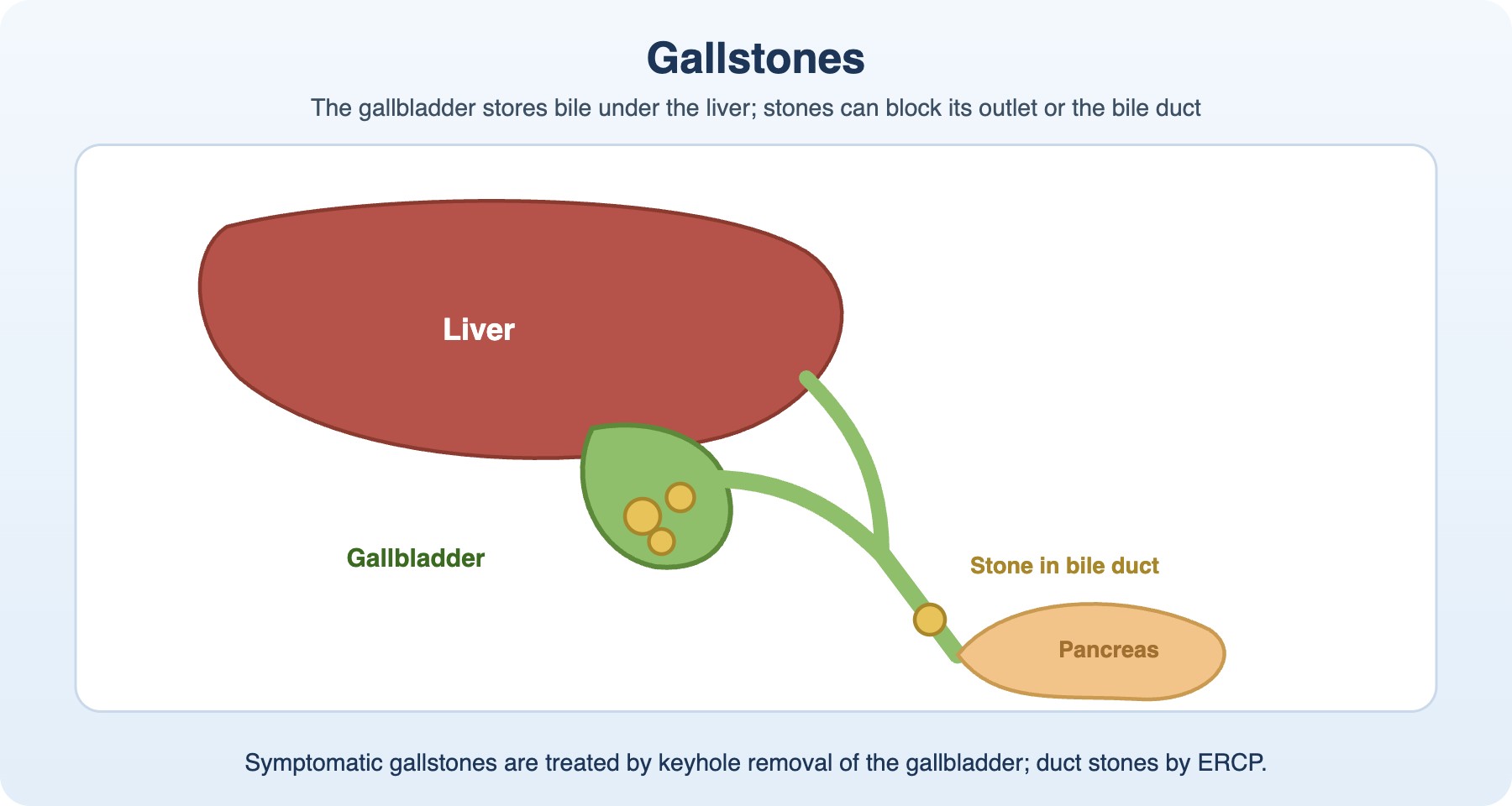
Seek urgent care for pain lasting more than a few hours, fever, yellowing of the skin or eyes (jaundice), dark urine or pale stools, as these can mean infection, a blocked bile duct or pancreatitis.
Gallstones that cause symptoms are usually treated by removing the gallbladder with keyhole surgery. Stones blocking the bile duct can be removed with an endoscopic procedure called ERCP.
Mildly abnormal liver blood tests are common. Causes include fatty liver, alcohol, medicines and supplements, viral hepatitis, autoimmune liver disease, iron overload and muscle injury. Further blood tests and an ultrasound usually find the cause.
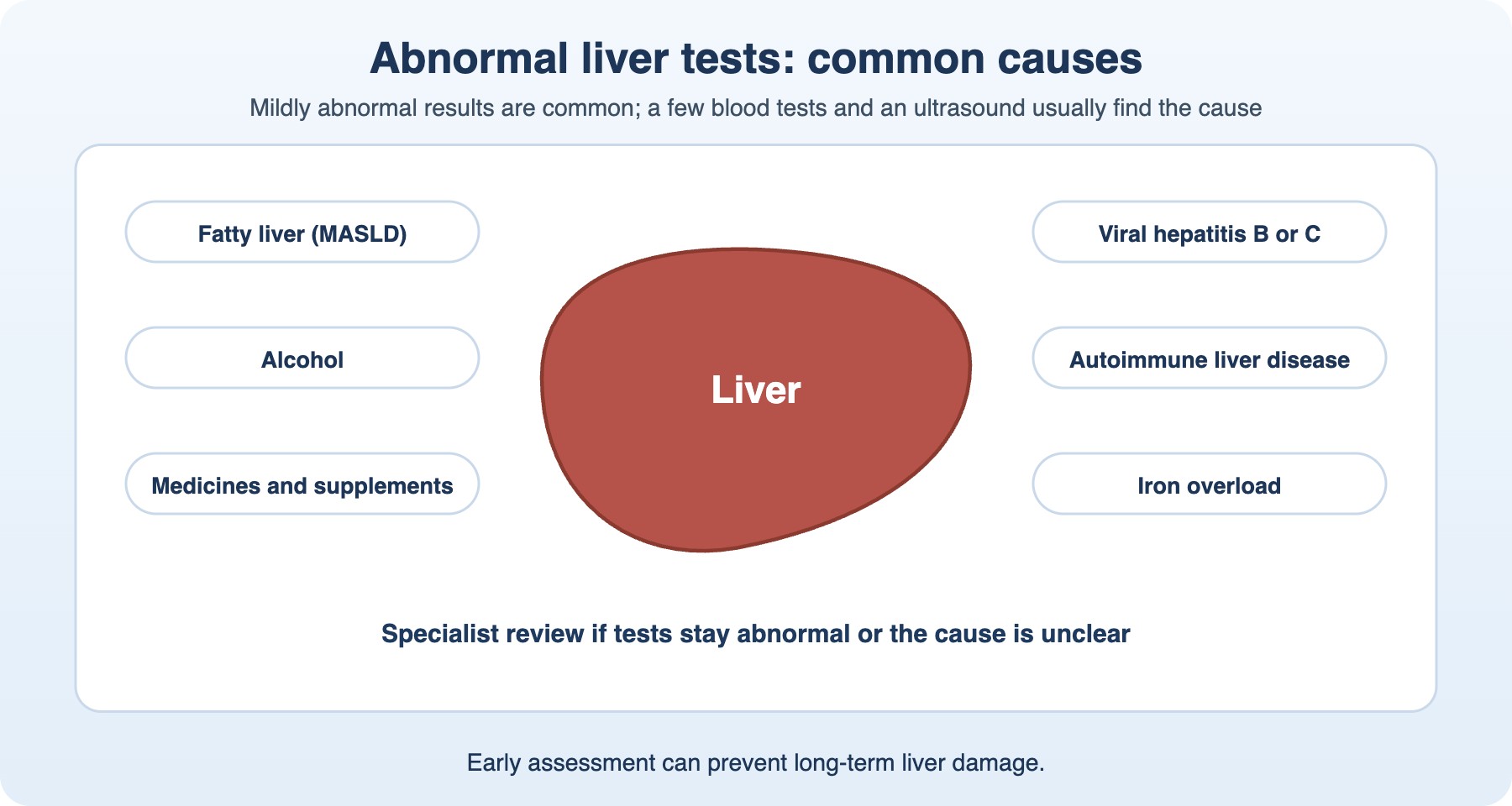
Most mild abnormalities are not dangerous, but they should not be ignored, as early treatment can prevent long-term liver damage. Your doctor may refer you to a gastroenterologist or hepatologist if the tests remain abnormal or the cause is unclear.
Pancreatitis is inflammation of the pancreas, the gland behind the stomach that makes digestive enzymes and insulin. Acute pancreatitis causes sudden severe upper abdominal pain, often going through to the back, with nausea and vomiting, and needs hospital care.
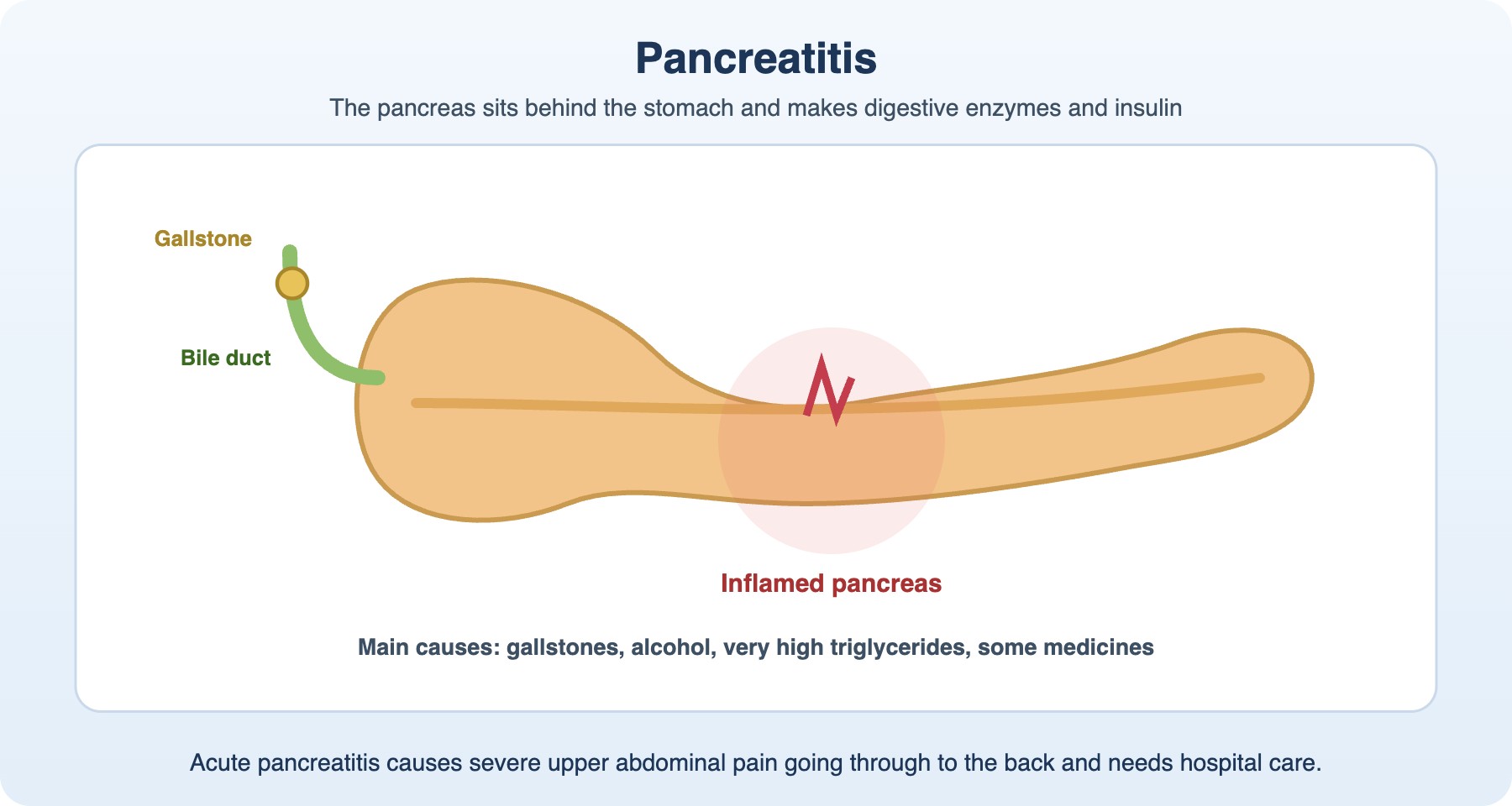
The most common causes are gallstones and alcohol. Others include very high triglycerides, some medicines, high calcium levels and, rarely, a procedure called ERCP or a tumour.
Chronic pancreatitis is long-term damage to the pancreas, most often from alcohol and smoking. It can cause ongoing pain, oily pale stools that are hard to flush (from poor fat absorption), weight loss and diabetes. Enzyme capsules taken with meals help digestion.
Testing is recommended for people born in countries where hepatitis B is common (including much of Asia, Africa and the Pacific), people with a family member with hepatitis B, anyone who has ever injected drugs, had a tattoo or medical procedure with unsterile equipment, or has abnormal liver tests.
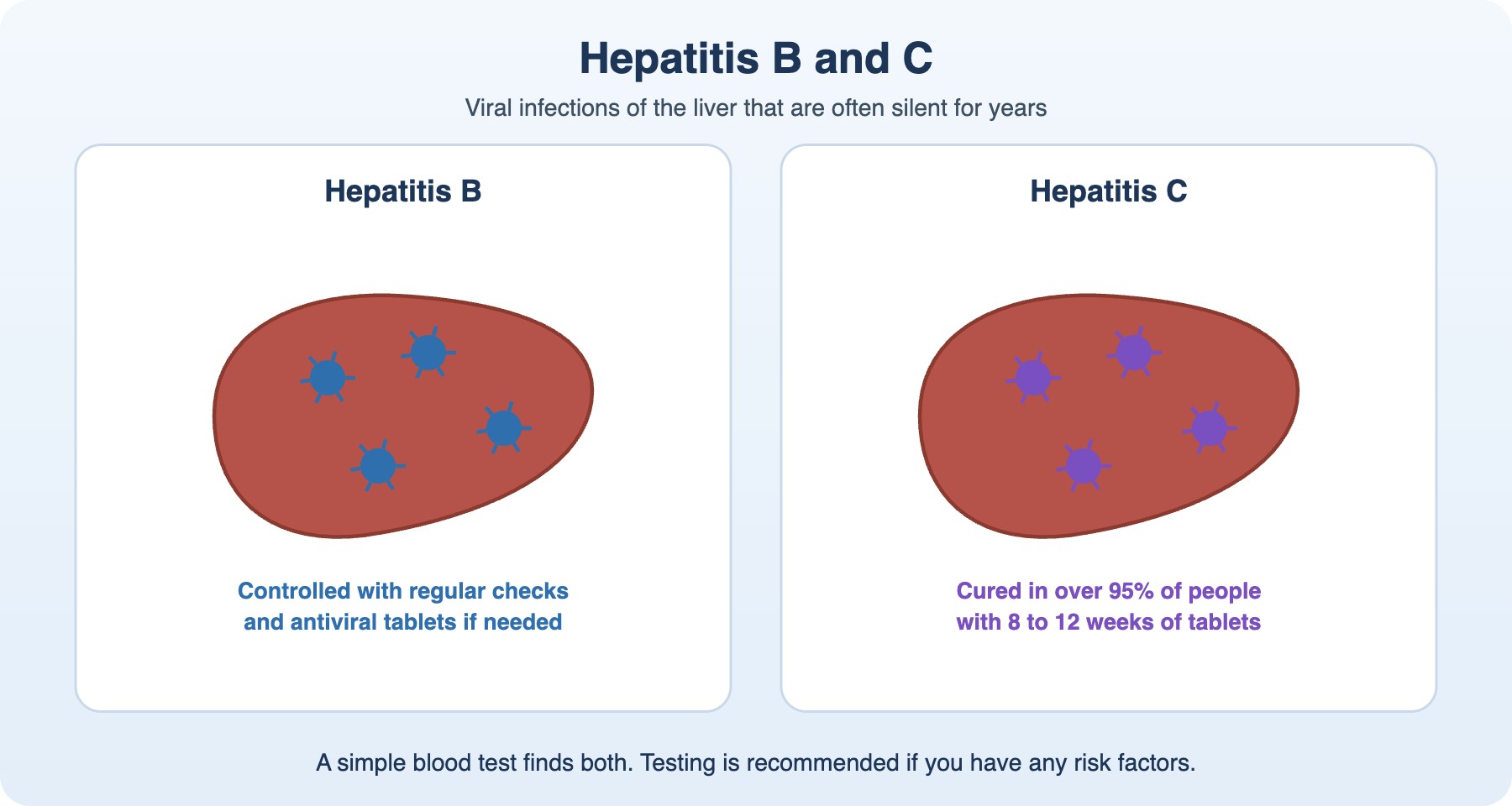
Yes. Modern tablets cure hepatitis C in more than 95% of people with an 8 to 12 week course and few side effects. They are subsidised on the PBS for everyone with hepatitis C in Australia and can be prescribed by GPs.
Guideline: Australian recommendations for the management of hepatitis C virus infection (GESA consensus statement).
Hepatitis B cannot usually be cured, but it can be well controlled. Regular blood tests and liver checks determine whether antiviral tablets are needed. People with hepatitis B also need regular screening for liver cancer if they are at higher risk.
Once the sedation has worn off you can usually return to your normal diet. Start with something light, avoid alcohol for 24 hours, and drink plenty of fluids, especially after bowel preparation. If polyps were removed, follow any specific instructions you are given.
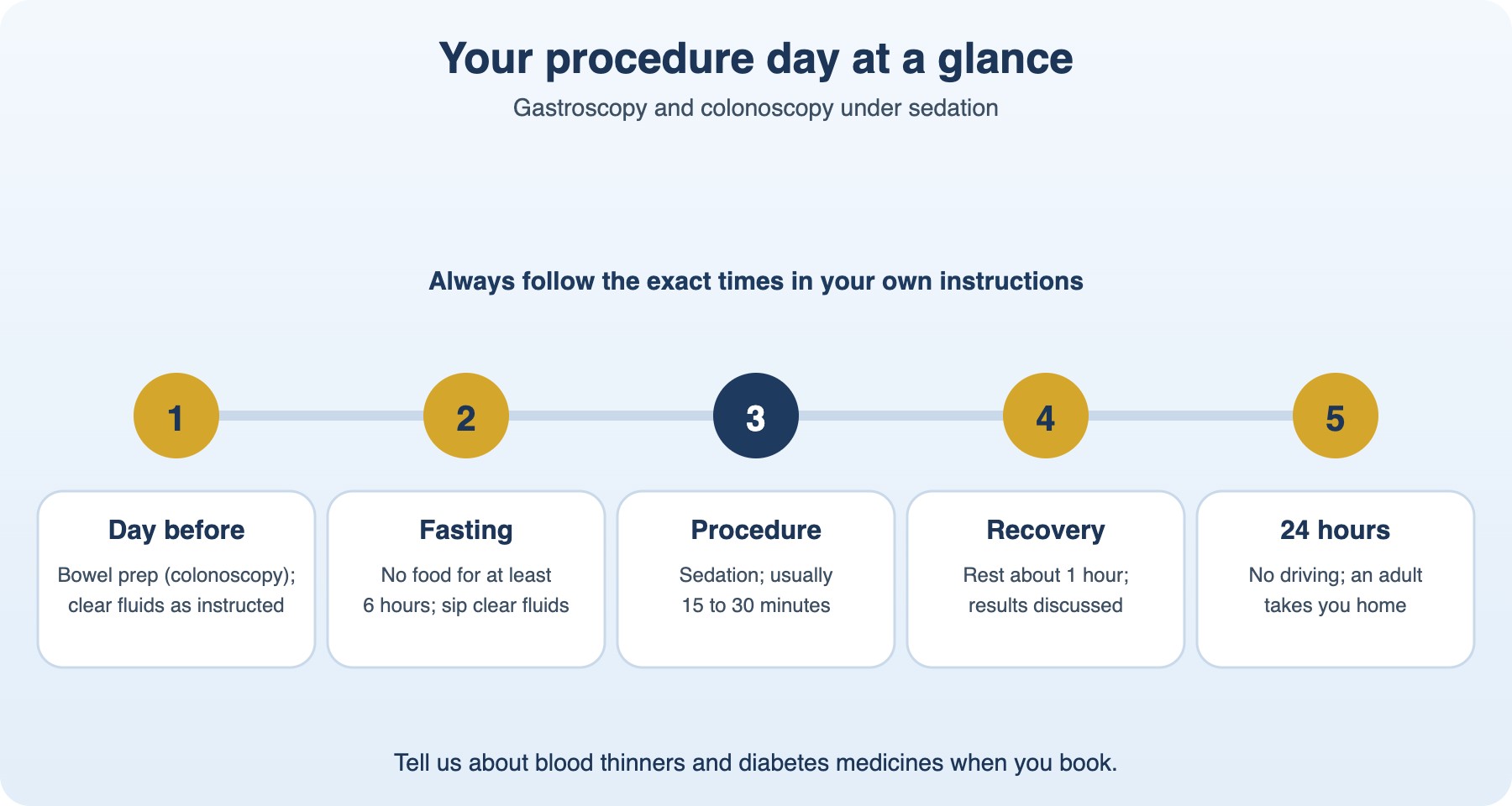
For sedation, you need to stop eating solid food at least 6 hours beforehand. Current Australian guidance allows clear fluids (such as water, clear apple juice or black tea or coffee without milk) to be sipped until closer to the procedure, which helps you stay comfortable and hydrated. Your instructions may differ, for example if you are having bowel preparation, so always follow the exact times we give you.
Guideline: ANZCA PG07 Appendix 1, Fasting guideline (2024).
Most usual medicines can be taken with a small sip of water on the morning of the procedure. Blood thinners, diabetes medicines and iron tablets may need to be adjusted or paused, so please tell us about all the medicines you take when you book, and we will give you clear instructions.
Sedation affects your reaction time, judgement and memory for up to 24 hours, even if you feel normal. For your safety and for insurance reasons you must not drive, operate machinery, drink alcohol or sign legal documents during this time.
Bring your referral, Medicare and private health insurance cards, a list of your medicines and allergies, and comfortable clothing. Arrange for an adult to collect you and stay with you overnight.
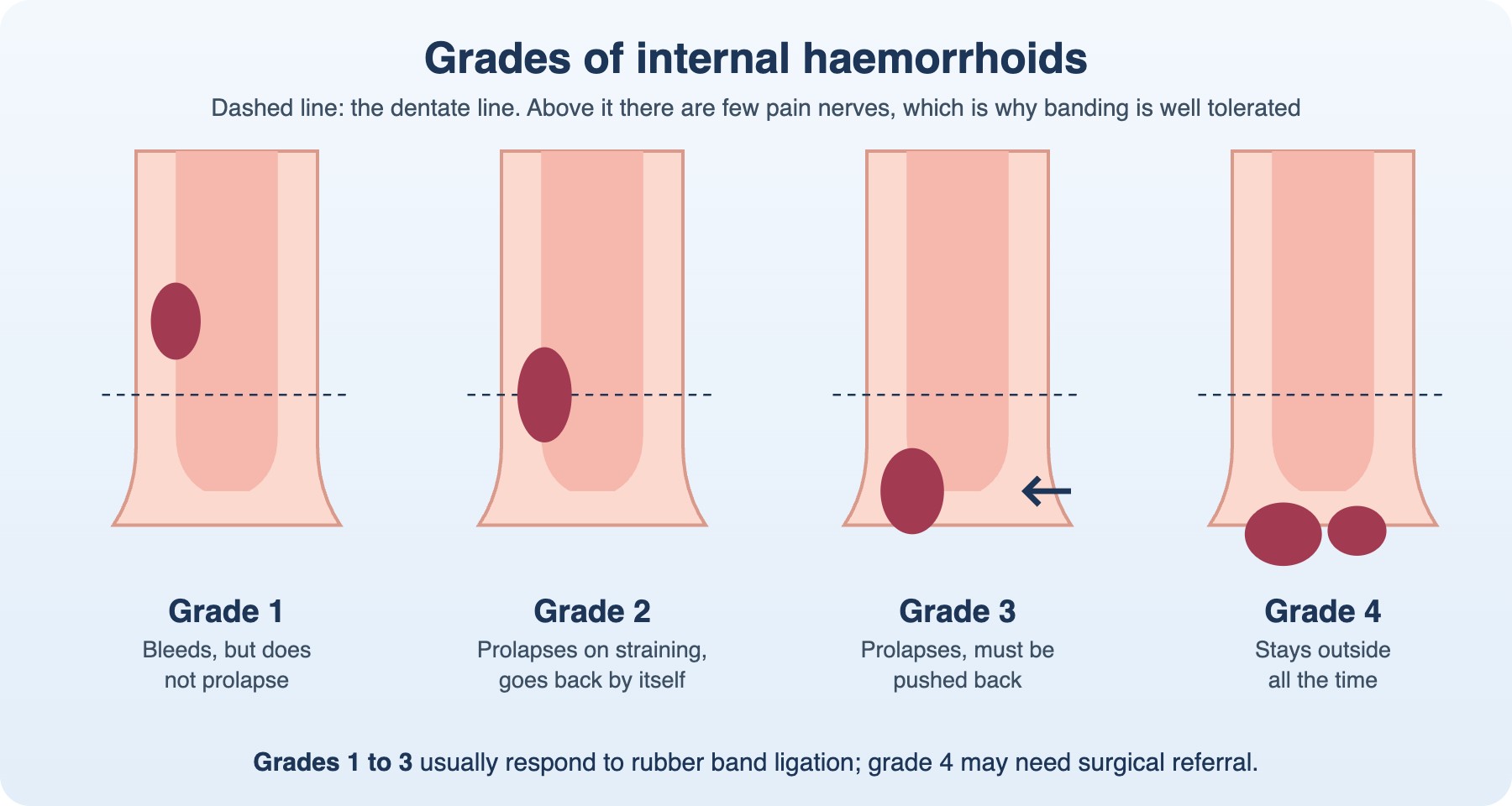
Internal haemorrhoids form inside the lower rectum, above an area with few pain nerves, so they usually cause painless bleeding or prolapse. External haemorrhoids form under the skin around the anus and can be itchy or painful, especially if a clot forms (thrombosed haemorrhoid).
Grade 1 haemorrhoids bleed but do not prolapse. Grade 2 prolapse when straining but go back on their own. Grade 3 prolapse and need to be pushed back. Grade 4 stay prolapsed. The grade helps guide treatment.
Common causes are straining due to constipation, sitting on the toilet for long periods, chronic diarrhoea, pregnancy, heavy lifting and ageing of the supporting tissues. A low-fibre diet makes them more likely.
Small haemorrhoids often settle with softer stools, more fibre and fluids, and not straining or sitting on the toilet for long. Haemorrhoids that keep bleeding or prolapsing usually need treatment.
A small elastic band is placed around the base of an internal haemorrhoid, cutting off its blood supply so it shrinks and falls off within about one to two weeks. It is quick, does not need cutting, and can often be done during a colonoscopy. A dull ache or mild bleeding for a few days is common.
Because internal haemorrhoids sit above the sensitive area, banding usually causes only a feeling of pressure or a dull ache for a day or two, eased with simple pain relief. Most people return to normal activities the next day. Avoid straining, and contact us if you have heavy bleeding, fever or severe pain.
Banding is effective for most people, but haemorrhoids can recur, and more than one session is sometimes needed. Keeping stools soft with fibre and fluids and avoiding straining helps prevent them coming back. Large or external haemorrhoids may need referral for surgery.
Rectal bleeding should not be assumed to be from haemorrhoids. A colonoscopy is recommended if you are 45 or older, have a family history of bowel cancer, a change in bowel habit, iron deficiency or bleeding mixed with the stool. Haemorrhoids can be banded during the same colonoscopy.
Diverticula are small pouches that bulge outward through weak spots in the wall of the large bowel, most often in the sigmoid colon on the lower left side. Having diverticula is called diverticulosis. It is very common, affecting more than half of people over 60, and usually causes no symptoms.
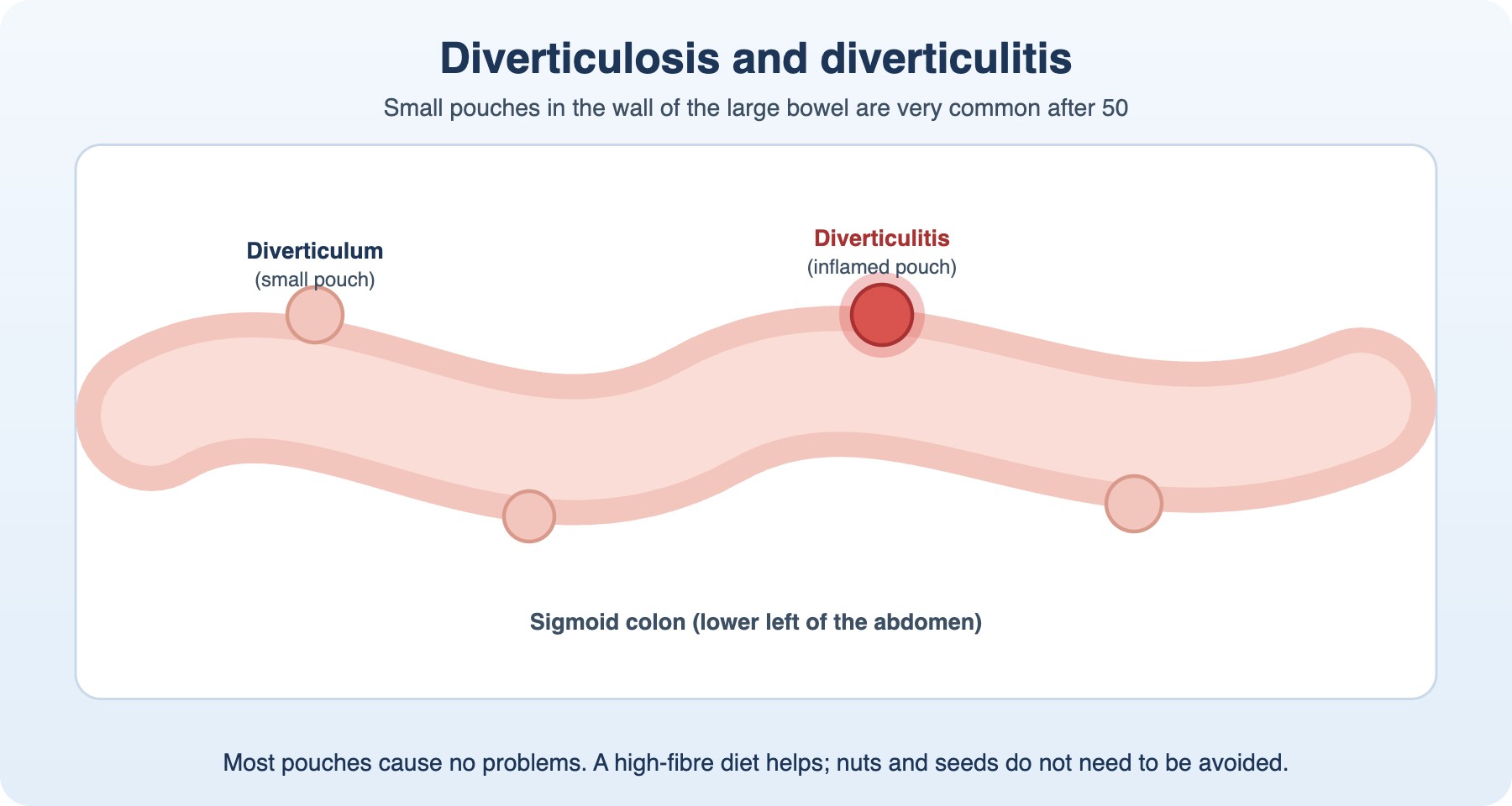
Diverticulosis means the pouches are present without symptoms. Diverticular disease means they cause symptoms such as pain or bloating. Diverticulitis means one or more pouches have become inflamed or infected.
Typical symptoms are constant pain and tenderness in the lower left abdomen, fever, nausea and a change in bowel habit. Seek urgent care if pain is severe, you have a high fever, vomiting, or cannot pass wind or stools.
Mild, uncomplicated diverticulitis is usually managed at home with rest, clear fluids then a gradual return to normal diet, and pain relief. Current guidelines advise that antibiotics are not routinely needed for low-risk uncomplicated cases, but they are used if there are high-risk features, a weakened immune system or other health concerns. More severe cases need hospital care with intravenous antibiotics, and occasionally drainage of an abscess or surgery.
Guideline: American College of Gastroenterology diverticulitis guideline, 2026.
No. This is a common myth. Studies have not shown that nuts, seeds, corn or popcorn cause diverticulitis, and current guidelines advise they do not need to be avoided. They are part of a healthy high-fibre diet.
Guideline: American College of Gastroenterology diverticulitis guideline, 2026.
Yes. A blood vessel near a diverticulum can bleed, causing sudden painless passage of a large amount of red or maroon blood. This needs urgent medical assessment, although the bleeding often stops on its own.
After complicated diverticulitis (for example with an abscess), a colonoscopy is recommended about 6 to 8 weeks after recovery to make sure a tumour is not being missed. After uncomplicated diverticulitis confirmed on CT, a colonoscopy is recommended if you have warning signs such as weight loss, bleeding or anaemia, or if you are not up to date with bowel cancer screening.
Guideline: American College of Gastroenterology diverticulitis guideline, 2026.
A high-fibre diet rich in vegetables, fruit, wholegrains and legumes, less red and processed meat, regular exercise, a healthy weight and not smoking all reduce the risk of diverticulitis and complications. Regular use of anti-inflammatory medicines may increase the risk, so discuss these with your doctor.
Guideline: American College of Gastroenterology diverticulitis guideline, 2026.
Call Us